

Hey there! As a supplier of Rubber Insulation Boards, I often get asked about the impact resistance of these boards. In this blog, I'll break down what impact resistance means for rubber insulation boards, why it matters, and how it can benefit your projects.
What is Impact Resistance?
Let's start with the basics. Impact resistance refers to a material's ability to withstand sudden forces or blows without getting damaged. When it comes to rubber insulation boards, this property is crucial because they are often used in environments where they might be exposed to physical impacts. Whether it's in industrial settings, construction sites, or even in some home applications, a rubber insulation board needs to be tough enough to handle a bit of rough treatment.
Why Impact Resistance Matters for Rubber Insulation Boards
1. Long - term Durability
A rubber insulation board with good impact resistance will last longer. In industrial facilities, for example, there's a lot of movement, machinery operation, and sometimes accidental collisions. If the insulation board can't handle these impacts, it might start to crack, break, or lose its integrity over time. This not only means you'll have to replace the board sooner but also that the insulation performance will degrade. And let's face it, no one wants to keep spending money on replacing insulation.
2. Maintaining Insulation Performance
The primary function of a rubber insulation board is to provide thermal or acoustic insulation. When a board is damaged due to impacts, its insulation properties can be severely compromised. For thermal insulation, a crack in the board can allow heat to escape or enter, reducing the energy - efficiency of the building or equipment. In the case of acoustic insulation, a damaged board won't be able to absorb sound as effectively, leading to more noise pollution.
3. Safety
In some applications, such as in electrical insulation, a damaged rubber insulation board can pose a safety hazard. If the board gets cracked or broken, it might expose electrical components, increasing the risk of electrical shocks or short - circuits. So, impact resistance is not just about the longevity and performance of the board but also about keeping people safe.
Factors Affecting the Impact Resistance of Rubber Insulation Boards
1. Material Composition
The type of rubber used in the insulation board plays a huge role in its impact resistance. For example, NBR PVC Insulation Board is known for its good mechanical properties, including impact resistance. NBR (Nitrile Butadiene Rubber) provides excellent oil resistance and flexibility, while PVC (Polyvinyl Chloride) adds stiffness and durability. The combination of these two materials results in a board that can withstand a fair amount of impact.
2. Density
Generally, a higher - density rubber insulation board will have better impact resistance. A denser board has more material packed into a given volume, which means it can absorb and distribute the energy from an impact more effectively. However, it's important to find the right balance because a very high - density board might be too rigid and less flexible, which could also cause problems in some applications.
3. Manufacturing Process
The way the rubber insulation board is manufactured can also affect its impact resistance. A well - made board with proper curing and processing will have a more uniform structure, which is better at handling impacts. For example, if the board is not cured properly, it might have weak spots that are more likely to break under stress.

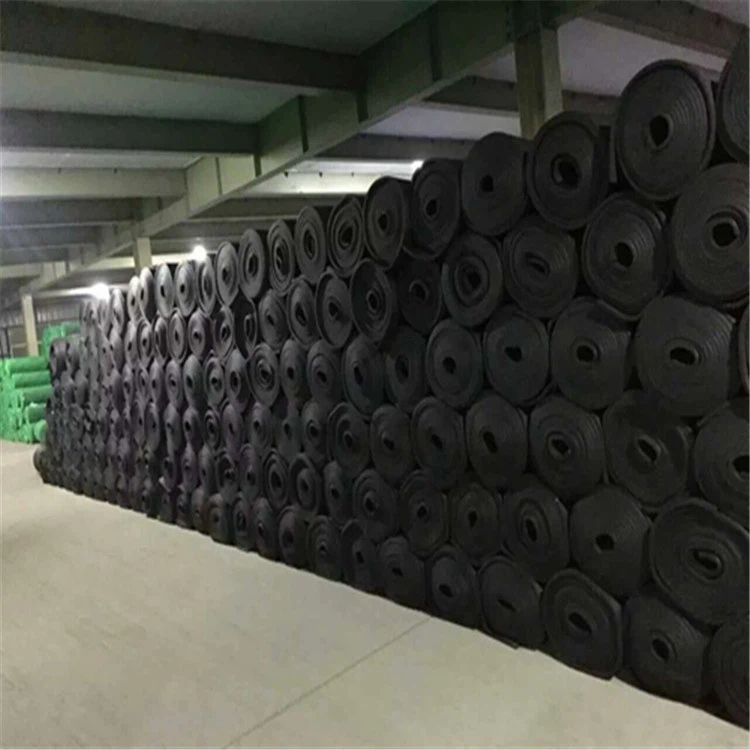
Testing the Impact Resistance of Rubber Insulation Boards
There are several standard tests used to measure the impact resistance of rubber insulation boards. One common test is the Charpy impact test. In this test, a pendulum is used to strike a notched sample of the rubber insulation board. The energy absorbed by the sample during the impact is measured, and this value is used to determine the board's impact resistance.
Another test is the Izod impact test, which is similar to the Charpy test but uses a different type of specimen and testing setup. These tests provide a quantitative way to compare the impact resistance of different rubber insulation boards and ensure that they meet the required standards for specific applications.
Applications Where Impact Resistance is Crucial
1. Industrial Machinery
In industrial settings, rubber insulation boards are often used to insulate machinery. These machines are constantly in operation, and there's a risk of parts hitting the insulation boards. For example, in a manufacturing plant, conveyor belts or moving parts of a machine might accidentally come into contact with the insulation. A board with good impact resistance will be able to withstand these collisions without getting damaged, ensuring that the machinery remains properly insulated.
2. Construction Sites
On construction sites, rubber insulation boards are used for various purposes, such as insulating pipes, walls, and floors. There's a lot of activity on a construction site, including the movement of heavy equipment and tools. Insulation boards need to be able to handle the occasional bump or drop without breaking. Otherwise, they won't be able to provide the necessary insulation once they're installed.
3. Automotive Industry
In the automotive industry, Sound Absorbing Rubber Sheet and rubber insulation boards are used to reduce noise and vibration. These materials are exposed to a lot of movement and impacts while the vehicle is in motion. For example, the constant vibrations from the engine and the road can cause the insulation to be subjected to repeated impacts. A high - impact - resistant rubber insulation board will be able to maintain its performance over time, providing a quieter and more comfortable ride.
Our Rubber Insulation Boards and Impact Resistance
As a supplier of Rubber Insulation Board, we take impact resistance very seriously. Our boards are made from high - quality materials and are manufactured using advanced processes to ensure they have excellent impact resistance. We conduct rigorous testing on our products to make sure they meet or exceed industry standards.
Whether you're looking for insulation for an industrial project, a construction site, or an automotive application, our rubber insulation boards are designed to withstand the impacts they'll face. They'll not only provide long - lasting insulation but also save you money in the long run by reducing the need for frequent replacements.
Conclusion
Impact resistance is a crucial property for rubber insulation boards. It affects the durability, insulation performance, and safety of the boards. By understanding the factors that affect impact resistance and choosing a high - quality rubber insulation board, you can ensure that your insulation will last and perform well in any application.
If you're interested in learning more about our rubber insulation boards or have a project in mind, don't hesitate to reach out. We're here to help you find the right insulation solution for your needs. Contact us today to start the conversation about your insulation requirements.
References
- ASTM International. (Year). Standard test methods for impact resistance of plastics and electrical insulating materials.
- Rubber Manufacturers Association. (Year). Technical guidelines for rubber insulation products.