

Yo, I'm a supplier of Rock Wool Sliver, and today I wanna talk about the effect of temperature fluctuations on rock wool sliver. It's a topic that's super important for anyone in the construction and insulation game, and I've seen firsthand how these temperature changes can mess with our product.
First off, let's understand what rock wool sliver is. It's a type of insulation material made from natural rocks that are melted and spun into fibers. This stuff is great because it's fire - resistant, has good thermal insulation properties, and is pretty durable. But temperature fluctuations can really throw a wrench in its performance.
When the temperature goes up and down, rock wool sliver can experience some significant changes. One of the main effects is on its structure. The fibers in the rock wool sliver expand and contract with temperature changes. Just like when you heat a metal and it gets bigger, then shrinks when it cools. In the case of rock wool sliver, these repeated expansions and contractions can cause the fibers to break or become loose.

Over time, this can lead to a decrease in the insulation's effectiveness. The air pockets that are so important for keeping heat in or out start to collapse as the fibers lose their integrity. And when that happens, the R - value (a measure of thermal resistance) of the rock wool sliver drops. That means your building won't be as well - insulated as it should be, and you'll end up spending more on heating or cooling.
Another effect of temperature fluctuations is on the moisture content of the rock wool sliver. When it gets cold, moisture in the air can condense on the surface of the insulation. Then, when it warms up again, that moisture can evaporate. This cycle of condensation and evaporation can lead to mold and mildew growth. Not only is this bad for the health of the people in the building, but it can also further degrade the rock wool sliver.
Now, let's talk about how these effects can impact different applications of rock wool sliver. For example, in Rockwool Composite Panels, temperature fluctuations can cause the panels to warp or delaminate. If the fibers inside the panel break due to temperature changes, the panel's structural integrity is compromised. This can be a huge problem in buildings where these panels are used for insulation and as part of the building envelope.
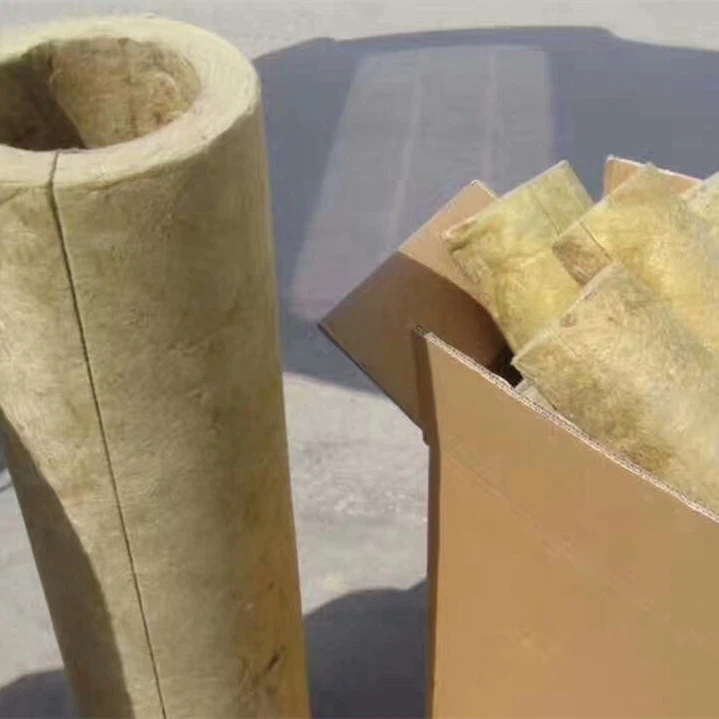
In the case of Rock Wool Insulation Pipe, temperature fluctuations can lead to cracks in the insulation. These cracks can allow heat to escape, reducing the efficiency of the pipe insulation. And if the pipe is carrying hot or cold fluids, the loss of insulation can have a big impact on the energy consumption of the system.
Fireproof Rock Wool Pipe is also affected. The fire - resistant properties of rock wool can be diminished if the fibers are damaged by temperature changes. This is a serious concern because fireproofing is one of the main reasons for using rock wool in pipes.
So, what can we do to mitigate these effects? Well, proper installation is key. Making sure the rock wool sliver is installed correctly, with no gaps or compression, can help reduce the impact of temperature fluctuations. Also, using a vapor barrier can prevent moisture from getting into the insulation, which helps to avoid mold growth and fiber degradation.
Another thing is to choose the right type of rock wool sliver for the specific application. Some types are more resistant to temperature changes than others. For example, high - density rock wool sliver may be better for areas with extreme temperature variations.
As a supplier, I'm always here to help my customers choose the right product and understand how to install it properly. If you're in the market for rock wool sliver, whether it's for a small DIY project or a large commercial building, don't hesitate to reach out. We can have a chat about your needs and figure out the best solution for you.
In conclusion, temperature fluctuations can have a significant impact on rock wool sliver. It can affect its structure, insulation performance, and even its fire - resistant properties. But with the right precautions and the right product, you can still get great performance from rock wool sliver in any environment. So, if you're looking to buy rock wool sliver, let's talk and see how we can make your project a success.
References
- "Insulation Materials and Their Performance" - Journal of Building Science
- "The Effects of Temperature on Mineral Wool Insulation" - International Journal of Thermal Insulation