


Rock Wool Tube
Your Professional Rock Wool Tube Supplier
Langfang Henggang Energy Saving Technology Co., Ltd. was established in 2020 and specializes in producing high-quality insulation materials, including rock wool, glass wool, and rubber & plastic products. Our factory is equipped with advanced production lines and core equipment, including automated systems and testing facilities. We have a skilled team focused on quality control, customer service, and innovation. With multiple production lines and a strong R&D capacity, we serve both domestic and international markets. Our products meet strict quality standards, ensuring reliable performance for industries such as construction, petroleum, power, and transportation.


Why choose us
Certifications
Our products are ISO9001 \CE and SGS certified, ensuring compliance with global quality and safety standards, which enhances their credibility in international markets.
Sales Markets
These products not only meet the needs of the domestic market, but are also exported to the United States, Russia, Canada, Poland, Korea, India, Saudi Arabia and many other countries and regions.
Quality Assurance
We maintain a comprehensive quality assurance system to monitor production processes closely, ensuring the highest quality insulation materials that meet both domestic and international standards.
Technical Support
Our experienced team is dedicated to continuous improvement, with a focus on R&D and optimizing production processes, allowing us to meet both domestic and international customer requirements.
Rockwool Tube
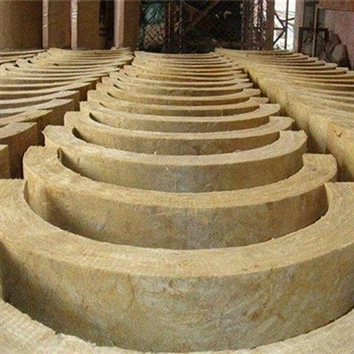
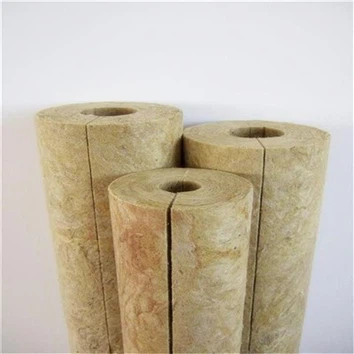
Rock wool pipe is a kind of rock wool insulation material used for pipelines. It is mostly used for the insulation of various industrial boilers and equipment pipelines such as petroleum, chemical industry, metallurgy, shipbuilding, and textiles. It is also used for partition walls, ceilings, and interior and exterior walls in the construction industry. Insulation and thermal insulation of various types of cold and hot pipes and hidden and exposed pipes.
|
Custom Processing Available |
Yes |
Softness |
Soft |
|
Insulation System |
Pipe Insulation System |
Operating Temperature |
280°C |
|
Product Type |
Insulated Pipe Shell |
Core Material |
Rock Wool |
|
Thermal Conductivity |
0.038 W/(m·K) |
Color |
Yellow |
|
Elongation at Break |
0.30% |
Aluminum Foil Capable |
Yes |
|
Flexural Strength |
36 MPa |
Product Quality |
Excellent |
|
Compressive Strength |
120 MPa |
Origin |
Dacheng, Langfang, Hebei, China |
Advantages of Rock Wool Tube
High-efficiency thermal insulation
Low thermal conductivity (≤0.040 W/m·K), effectively blocking heat transfer, reducing energy loss, and significantly reducing operating costs.
01
Class A fire retardant
High temperature resistance of more than 700℃, non-combustible in case of fire, no toxic smoke, in line with building fire safety standards, ensuring the safety of equipment and personnel.
02
Hydrophobic and moisture-proof
Adding a hydrophobic agent, fiber hydrophobicity ≥98%, long-term exposure to a humid environment can still maintain stability, avoiding the decline of thermal insulation performance.
03
Environmentally friendly and durable
No asbestos, no CFC/HCFC, in line with environmental protection requirements; anti-corrosion, anti-aging, service life of more than 20 years.
04
Lightweight and easy to install
The pipe diameter and thickness can be customized according to the pipe size, the slit design is matched with aluminum foil veneer, which is convenient to install and greatly shortens the project cycle.
05
Pre-formed Pipe Insulation
Manufactured in semi-cylindrical shells or longitudinally split tubes, this type is designed for rapid installation over existing or new piping systems.
Segmented Insulation
Rigid straight sections of rockwool insulation designed for large-diameter or high-temperature piping systems where modular assembly is required.
Fitting Covers
Specially molded rockwool sections designed to insulate complex pipe components such as elbows, tees, valves, and flanges.
Flexible Insulation
Lightweight, pliable rockwool insulation in blanket or wrap form, suitable for small-diameter or contoured piping.

HVAC Systems: Insulating chilled water and hot water pipes in commercial buildings reduces energy consumption and prevents condensation, which can cause mold or structural damage.
Industrial Processes: Factories and plants use it to insulate high-temperature pipes, ensuring process stability and safety. For example, power plants insulate steam pipes to improve efficiency.
Fire Protection
Its fire-resistant properties make it ideal for protecting critical infrastructure, such as data centers or chemical plants, where fire safety is paramount.
Residential Applications
In residential settings, rock wool insulation helps in soundproofing and thermal regulation, especially in basements and attics.
Marine and Offshore
Its moisture resistance and fireproof qualities are beneficial in ships and offshore platforms, where safety standards are strict.
How It Works of Rockwool Tube
Preparation of Raw Materials
Volcanic rocks are collected and cleaned to remove impurities. These raw materials are then heated to approximately 1500°C in a furnace, transforming them into molten lava.
Fiber Formation
The molten rock is spun into fine fibers using spinning machines, similar to cotton candy production. These fibers are collected onto a conveyor to form mats or battings.
Binding and Shaping
The fibers are bonded with thermosetting resins or binders to maintain their structure. They are cut into specific lengths or formed into pre-shaped pipe sections for easy installation.
Coating and Finishing
The insulation is coated with vapor barriers or faced with materials like foil or kraft paper to enhance moisture resistance and ease handling.
Installation
The finished insulation is wrapped around pipes, secured with fasteners or adhesives. Proper sealing ensures maximum thermal efficiency and prevents air gaps.
Performance in Use
The porous fiber structure traps air, providing excellent thermal resistance. Its fire-resistant properties help contain fires, and its moisture resistance prevents corrosion and mold growth.

Raw Material Preparation: Basalt rock and recycled steel slag are precisely blended with additives to achieve desired thermal and structural properties.
Melting: The mixture is heated in a cupola furnace at temperatures exceeding 1,400°C (2,550°F) until molten.
Fiberization: The molten material is spun through centrifugal wheels into fine, wool-like fibers.
Binding & Curing: A bio-based binder is applied, and the fibers are formed into blocks or shapes, then cured in ovens to stabilize the structure.
Shaping & Packaging: The cured material is cut into pre-formed sections, slabs, or rolls, then packaged for distribution.
Rock wool Tube installation requirements
Dry and Undamaged Material
Insulation must be stored and installed in dry conditions. Wet or compressed rockwool loses its insulating properties and may promote mold or corrosion under insulation (CUI).
Tight Fit and No Gaps
The insulation should fit snugly around the pipe with no air gaps, overlaps, or compression. Joints between sections should be tightly butted and sealed if necessary.
Secure Fastening
Use appropriate bands, clips, or adhesive tape to secure the insulation in place and prevent slippage, especially on vertical runs or in high-vibration areas.
Vapor Barrier (if required)
In high-humidity environments, a vapor retarder jacket (such as aluminum foil or plastic cladding) should be applied over the insulation to prevent moisture ingress.
Follow Manufacturer Guidelines
Always adhere to the insulation manufacturer’s specifications regarding spacing, support intervals, joint treatment, and compatible jacketing materials.
Environmental Considerations
Avoid installing in rainy or humid conditions unless protective measures are in place. Also, ensure compatibility with pipe coatings and operating temperatures.
Installed of Rock wool Tube
Measure the Pipe: Confirm the outer diameter (OD) of the pipe to select the correct size of rockwool section.
Clean the Surface: Wipe the pipe clean of dirt, grease, or moisture before applying insulation.
Slide the Section: Open the split along the length and gently place it around the pipe. Ensure full contact and no gaps.
Handle Fittings: For elbows, valves, and tees, use specially shaped split sections or wrap with rockwool blanket material, then cover with a protective jacket.
Secure the Joint: Use high-temperature resistant adhesive tape, metal bands, or plastic ties to close and seal the longitudinal seam. Overlap adjacent sections by at least 50mm to prevent thermal bridging.
Seal and Protect: Apply mastic or foil tape to all joints and ends to prevent air infiltration and moisture ingress. In humid or outdoor environments, consider adding a weather-resistant outer jacket.
FAQ
We're well-known as one of the leading rock wool tube manufacturers and suppliers in China, featured by quality products and good price. Please rest assured to buy high-grade rock wool tube for sale here from our factory.
pipe heat insulation rock wool, rock wool pipe with alu foil facing, rockwool fire tube