

As a supplier of Fireproof Rock Wool Pipe, I often receive inquiries from various industries regarding the suitability of our products for their specific applications. One question that frequently arises is whether fireproof rock wool pipe can be used in food processing plants. In this blog post, I will delve into this topic, exploring the properties of fireproof rock wool pipe and evaluating its compatibility with the unique requirements of food processing environments.
Understanding Fireproof Rock Wool Pipe
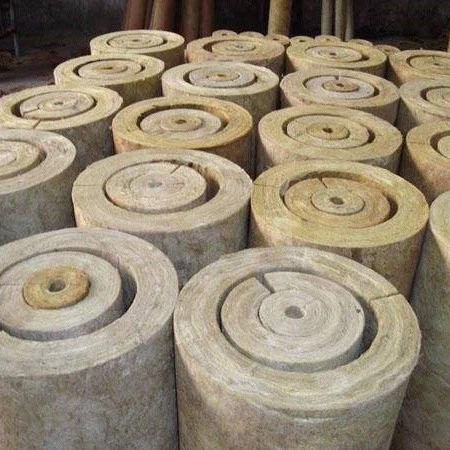
Before discussing its applicability in food processing plants, it's essential to understand what fireproof rock wool pipe is and its key characteristics. Fireproof rock wool pipe is a type of insulation material made from natural rock minerals, such as basalt or diabase. These raw materials are melted at high temperatures and then spun into fine fibers, which are then formed into pipes.
One of the primary advantages of fireproof rock wool pipe is its excellent fire resistance. It can withstand extremely high temperatures without burning or melting, making it an ideal choice for applications where fire safety is a concern. Additionally, rock wool pipe has good thermal insulation properties, which can help reduce energy consumption by minimizing heat transfer. It also has sound absorption capabilities, which can contribute to a quieter working environment.
Another important feature of fireproof rock wool pipe is its chemical stability. It is resistant to corrosion and does not react with most chemicals, which makes it suitable for use in a variety of industrial settings. However, when considering its use in food processing plants, we need to examine its potential impact on food safety.
Food Safety Considerations
Food processing plants have strict hygiene and safety standards to ensure the quality and safety of the food products they produce. Any materials used in these facilities must meet these standards and not pose a risk of contamination to the food.
One of the main concerns regarding the use of fireproof rock wool pipe in food processing plants is the potential for fiber release. Rock wool fibers are very fine and can become airborne if the insulation is damaged or disturbed. Inhalation of these fibers can pose health risks, and there is also a concern that they could contaminate food products.
However, modern fireproof rock wool pipes are designed with measures to minimize fiber release. They are often covered with a protective layer, such as Aluminum Foil Rock Wool Pipe, which helps to contain the fibers and prevent them from escaping. Additionally, proper installation and maintenance of the insulation can further reduce the risk of fiber release.
Another aspect to consider is the cleanliness of the rock wool pipe. It should be free from any contaminants, such as dirt, dust, or chemicals, that could potentially contaminate the food. Our company ensures that our fireproof rock wool pipes are manufactured in a clean environment and undergo strict quality control measures to meet the highest standards of cleanliness.
Compatibility with Food Processing Equipment
In addition to food safety considerations, the fireproof rock wool pipe must also be compatible with the food processing equipment and the overall operating environment of the plant.
Food processing equipment often operates at high temperatures, and the insulation needs to be able to withstand these temperatures without degrading. Fireproof rock wool pipe has a high melting point and can maintain its structural integrity at elevated temperatures, making it suitable for use in close proximity to hot equipment.
It also needs to be resistant to moisture, as food processing plants typically have high humidity levels. Rock wool is naturally hydrophobic, which means it repels water and does not absorb moisture easily. This property helps to prevent the growth of mold and mildew, which can be a significant problem in food processing environments.
Regulatory Compliance
When using any materials in a food processing plant, it is crucial to ensure compliance with relevant regulations and standards. In many countries, there are specific regulations governing the use of insulation materials in food facilities.
Our fireproof rock wool pipes are manufactured in accordance with international standards and are tested to ensure compliance with relevant regulations. We can provide documentation and certifications to demonstrate the safety and quality of our products, which can help food processing plants meet their regulatory requirements.

Case Studies and Success Stories
To illustrate the practical application of fireproof rock wool pipe in food processing plants, let's look at some case studies.
One food processing plant was experiencing high energy costs due to heat loss from its hot water pipes. They decided to install Rock Wool Insulation Pipe to improve the thermal efficiency of the system. After the installation, they noticed a significant reduction in energy consumption, which resulted in cost savings. The fireproof properties of the rock wool pipe also provided an added layer of safety, giving the plant managers peace of mind.
Another food processing facility was concerned about noise pollution from its machinery. They installed fireproof rock wool pipe as sound insulation around the equipment. The sound absorption properties of the rock wool helped to reduce the noise levels, creating a more comfortable working environment for the employees.
Conclusion
In conclusion, fireproof rock wool pipe can be a suitable choice for use in food processing plants, provided that certain precautions are taken. Its excellent fire resistance, thermal insulation, and sound absorption properties make it a valuable asset in these facilities. However, it is essential to address the potential risks associated with fiber release and ensure compliance with food safety regulations.
Our company, as a leading supplier of Fireproof Rock Wool Pipe, is committed to providing high-quality products that meet the strict requirements of the food processing industry. We offer a range of fireproof rock wool pipes with different specifications and protective coatings to ensure maximum safety and performance.
If you are a food processing plant owner or manager and are considering using fireproof rock wool pipe in your facility, we encourage you to contact us for more information. Our team of experts can provide you with detailed product information, technical support, and guidance on the proper installation and maintenance of the insulation. We look forward to the opportunity to discuss your specific needs and help you find the best solution for your food processing plant.
References
- International Organization for Standardization (ISO). ISO standards related to insulation materials and food safety.
- National Fire Protection Association (NFPA). Codes and standards for fire safety in industrial facilities.
- Food and Drug Administration (FDA). Regulations regarding the use of materials in food processing plants.