


Aluminum Silicate Insulation
Your Professional Aluminum Silicate Insulation Supplier
Langfang Henggang Energy Saving Technology Co., Ltd. was established in 2020 and specializes in producing high-quality insulation materials, including rock wool, glass wool, and rubber & plastic products. Our factory is equipped with advanced production lines and core equipment, including automated systems and testing facilities. We have a skilled team focused on quality control, customer service, and innovation. With multiple production lines and a strong R&D capacity, we serve both domestic and international markets. Our products meet strict quality standards, ensuring reliable performance for industries such as construction, petroleum, power, and transportation.




Why choose us
Certifications
Our products are ISO9001 \CE and SGS certified, ensuring compliance with global quality and safety standards, which enhances their credibility in international markets.
Sales Markets
These products not only meet the needs of the domestic market, but are also exported to the United States, Russia, Canada, Poland, Korea, India, Saudi Arabia and many other countries and regions.
Quality Assurance
We maintain a comprehensive quality assurance system to monitor production processes closely, ensuring the highest quality insulation materials that meet both domestic and international standards.
Technical Support
Our experienced team is dedicated to continuous improvement, with a focus on R&D and optimizing production processes, allowing us to meet both domestic and international customer requirements.
Ceramic Fiber Board Sheets
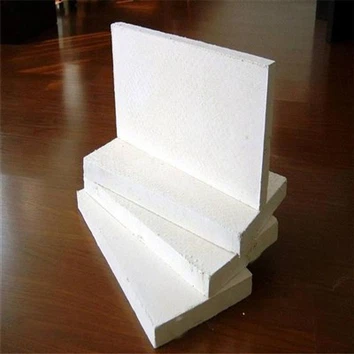
Ceramic fiber board is a rigid, high-temperature insulation material designed for environments that require exceptional thermal stability, structural strength, and resistance to chemical attack. Engineered from high-purity alumino-silicate fibers through vacuum forming, ceramic fiber board provides excellent mechanical integrity at temperatures where conventional insulation materials fail. The most prominent features of ceramic fiber board include low thermal conductivity, high compressive strength, and superior resistance to thermal shock. These characteristics make it a preferred heat-insulation solution for furnaces, kilns, boilers, ovens, and other high-temperature industrial equipment.
|
Brand |
Henggang |
Tensile Strength |
0.1 |
|
Form |
Solid |
Compressive Strength |
0.9 MPa |
|
Shape |
Rectangular |
Tear Strength |
0.5 |
|
Core |
Aluminum Silicate Fiber |
Refractory Temperature |
1400 |
|
Color |
White |
Custom Processing |
Yes |
|
Operating Temperature |
800-1300 |
Refractory Material |
Refractory Insulation |
Utstanding Thermal Resistance: Safely withstands extreme temperatures, suitable for applications up to 2600°F.
Enhanced Mechanical Strength: Offers higher durability than ceramic fiber blankets and felts, ideal for demanding environments.
Keep Heat Locked In: Exhibits low thermal conductivity, maximizing energy efficiency by reducing heat transfer.
Lightweight & Easy to Install: Simplifies handling and installation, can be easily cut, drilled, or saw to fit custom shapes and spaces.
All-Around Usability
Suitable for a wide range of industrial uses from furnaces and kilns to aerospace and automotive insulation.
Stay Green
Made from eco-friendly materials, supporting safer, cleaner industrial operations.
Long Service Life
Engineered for durability, reducing the need for frequent replacements and maintenance.
Type of Ceramic Fiber Board Sheets
Standard Grade
Ideal for general insulation applications, these boards provide robust thermal resistance and durability up to 2300°F. They’re perfect for furnaces, kilns, and general thermal barriers.
High-Density Grade
Engineered for environments demanding extra strength and lower thermal conductivity, these boards withstand temperatures up to 2480°F. Suitable for load-bearing applications where mechanical stress is a factor.
High-Temperature Grade
Specifically designed for the highest heat conditions, these boards perform exceptionally well up to 2600°F. They’re the choice for advanced industrial furnaces and critical aerospace applications.
Furnaces & Kilns
Provides exceptional insulation, maintaining temperature stability and efficiency in high-heat environments.
Aerospace
Used in construction and insulation of aerospace components.
Automotive
Employed in heat shields and exhaust insulation - enhancing vehicle safety and performance by maintaining thermal conditions.
Energy Sector
Contributes to thermal management systems - ensuring energy efficiency and safety.
Appliance Insulation
Offers effective heat containment and protection in ovens and boilers.
Acoustic Insulation
Sound absorption properties makes them suitable for environments where noise resistance is a consideration.

Manufacturing process of Ceramic Fiber Board Sheets
Blending
Aluminum silicate fibers are carefully blended, ensuring uniform distribution for consistent quality throughout each board.
Forming
The blended fibers are then formed into boards under high pressure, which compacts the material and gives it its distinctive strength and insulation properties.
Curing
After forming, the boards undergo a curing process. This step enhances their mechanical strength and thermal resistance, preparing them for high-temperature applications.
Cutting and Finishing
Finally, the cured boards are cut to standard sizes or custom dimensions as required, and any necessary finishing touches are applied to meet specific project needs.
Installation Process of Ceramic Fiber Board Sheets
Measuring and Cutting
Accurately measure the area where the ceramic fiber board needs to be installed. Use a measuring tape to determine the length and width, and mark the dimensions on the board. When cutting the ceramic fiber board, use a sharp utility knife or a specialized cutting tool designed for such materials. Score the board along the marked lines and then carefully break it along the scored lines. Be cautious during the cutting process to ensure straight and precise cuts, as irregular edges can make the installation more difficult and may affect the overall performance of the insulation.
Fixing Methods
●Mechanical Fastening
One common installation method is using mechanical fasteners. For this approach, drill holes in the ceramic fiber board and the substrate at the appropriate positions. The number and spacing of the holes will depend on the size and weight of the board as well as the application requirements. Insert stainless - steel screws or anchors through the holes in the board and into the substrate. When tightening the fasteners, apply a consistent and moderate force. Over - tightening can cause the ceramic fiber board to crack, while under - tightening may result in an insecure installation. Ensure that the board is firmly attached to the substrate without any gaps or looseness.
●Adhesive Bonding
In some cases, adhesive bonding can be an effective alternative. Select a high - temperature - resistant adhesive that is compatible with ceramic fiber materials. Apply the adhesive evenly on the back of the ceramic fiber board, following the manufacturer's instructions regarding the application amount and method. Carefully position the board on the prepared substrate and press it firmly to ensure good adhesion. Hold the board in place for the recommended time to allow the adhesive to set properly. Keep in mind that the bonding strength may vary depending on the type of adhesive and the surface conditions, so it's crucial to choose the right adhesive and ensure proper surface preparation.
Incorporating Expansion Joints
Since ceramic fiber boards expand and contract with temperature changes, it is essential to incorporate expansion joints during the installation. Calculate the appropriate size and spacing of the expansion joints based on the expected temperature range and the dimensions of the installation area. As a general rule, leave a gap of 1 - 2 mm per meter of board length. These gaps can be filled with a flexible ceramic fiber rope or blanket, which not only allows for the thermal expansion and contraction of the boards but also maintains the insulation integrity of the overall installation.

After completing the installation of the ceramic fiber boards, conduct a thorough inspection. Check for any gaps between the boards and the substrate, as well as between adjacent boards. Gaps can compromise the insulation performance and may also allow heat to escape or cold air to penetrate. Ensure that all the fasteners are tightened securely or that the adhesive - bonded boards are firmly attached. Inspect the surface of the boards for any signs of damage, such as cracks or scratches, which may have occurred during the installation process. If any issues are detected, address them immediately to ensure the proper functioning and longevity of the ceramic fiber board installation.
In conclusion, installing ceramic fiber boards requires careful preparation, precise installation techniques, and thorough post - installation inspection. By following these steps, you can ensure a successful installation that maximizes the performance and lifespan of the ceramic fiber boards, providing reliable insulation and protection in high - temperature applications.
FAQ
We're well-known as one of the leading aluminum silicate insulation manufacturers and suppliers in China, featured by quality products and good price. Please rest assured to buy high-grade aluminum silicate insulation for sale here from our factory.
1 2 ceramic fiber board, Aluminum Silicate Fiber Blanket, ceramic fiber sheet