

When it comes to the construction and insulation industry, rock wool boards have gained significant popularity due to their excellent thermal, acoustic, and fire-resistant properties. As a leading rock wool board supplier, I often receive inquiries from clients about the installation time required for rock wool boards. In this blog post, I will delve into the factors that influence the installation time and provide a comprehensive overview to help you better understand this crucial aspect of your project.
Understanding Rock Wool Boards
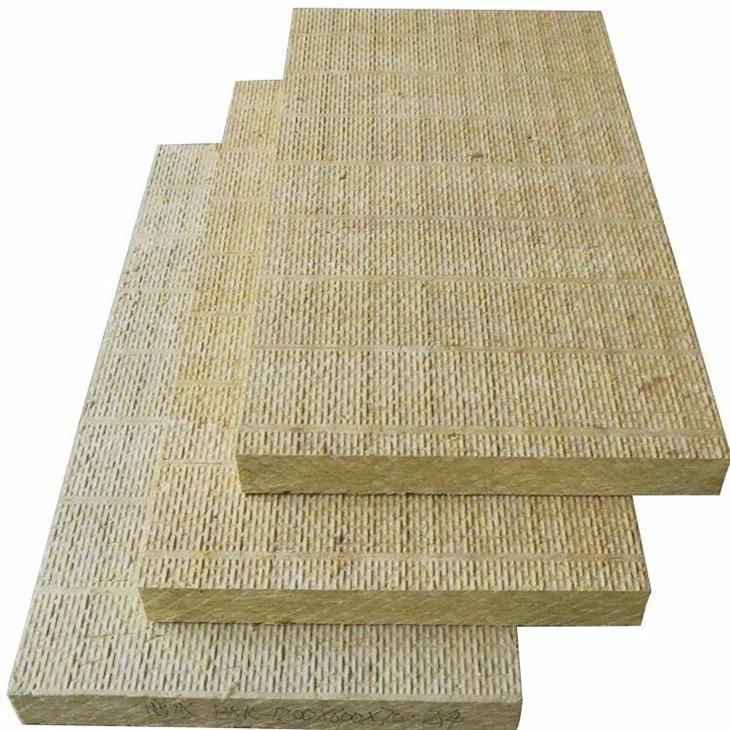
Before we discuss the installation time, let's briefly understand what rock wool boards are. Rock wool boards are made from natural rocks, typically basalt or diabase, which are melted at high temperatures and spun into fibers. These fibers are then compressed and bonded together to form boards of various densities and thicknesses. Rock wool boards are widely used in buildings for insulation purposes, both in residential and commercial construction. They can be installed in walls, roofs, floors, and ceilings to enhance energy efficiency, reduce noise transmission, and improve fire safety.
There are different types of rock wool boards available in the market, each designed for specific applications. For instance, Rockwool Acoustic Insulation Board is specifically engineered to absorb sound and reduce noise levels, making it ideal for use in theaters, recording studios, and offices. On the other hand, Rockwool Composite Panels are a combination of rock wool core and outer metal sheets, providing both insulation and structural support. And Insulation Rock Wool Board is a general-purpose insulation material suitable for a wide range of applications.
Factors Affecting the Installation Time of Rock Wool Boards
The installation time of rock wool boards can vary significantly depending on several factors. Here are some of the key factors that you need to consider:
1. Project Size and Complexity
The size and complexity of the project are perhaps the most significant factors influencing the installation time. A small residential project, such as insulating a single room, will obviously take less time compared to a large commercial building with multiple floors and complex architectural designs. For example, installing rock wool boards in a small attic may only take a day or two, while insulating an entire high-rise building could take weeks or even months.
The complexity of the project also plays a crucial role. If the building has irregular shapes, curved walls, or many obstructions, it will require more time and effort to cut and fit the rock wool boards properly. Additionally, projects that involve working in hard-to-reach areas, such as crawl spaces or high ceilings, will also increase the installation time.
2. Installation Method
There are different methods of installing rock wool boards, and the chosen method can affect the installation time. The most common installation methods include direct bonding, mechanical fixing, and dry installation systems.
- Direct Bonding: This method involves applying an adhesive to the surface where the rock wool board will be installed and then pressing the board onto the surface. Direct bonding is a relatively quick and straightforward method, especially for flat and smooth surfaces. However, it may require some drying time for the adhesive to set properly.
- Mechanical Fixing: Mechanical fixing involves using screws, nails, or other fasteners to attach the rock wool boards to the surface. This method is more suitable for areas where direct bonding may not be sufficient, such as on exterior walls or in high-wind areas. Mechanical fixing generally takes more time than direct bonding, as it requires drilling holes and installing the fasteners.
- Dry Installation Systems: Dry installation systems use special clips, brackets, or rails to hold the rock wool boards in place. These systems are often used in commercial buildings and can be installed relatively quickly. However, they may require some additional preparation work, such as installing the support structures.
3. Team Experience and Skill Level
The experience and skill level of the installation team are also important factors. An experienced and well-trained team will be able to work more efficiently and complete the installation in less time compared to an inexperienced team. Experienced installers are familiar with the different installation methods, know how to handle the materials properly, and can quickly troubleshoot any issues that may arise during the installation process.
4. Weather Conditions
Weather conditions can also have an impact on the installation time, especially for outdoor projects. Extreme temperatures, high humidity, or heavy rain can make it difficult to install the rock wool boards and may even damage the materials. For example, in very cold weather, the adhesive may not dry properly, and the rock wool boards may become brittle and difficult to handle. In hot and humid weather, the boards may absorb moisture, which can affect their performance. Therefore, it is important to choose the right time of the year for the installation and to take appropriate precautions to protect the materials from the weather.
Estimating the Installation Time
While it is difficult to provide an exact installation time for rock wool boards without knowing the specific details of the project, we can provide some general guidelines based on our experience.
For a small residential project, such as insulating a single room or a small attic, the installation time can range from 1 to 3 days. This includes the time for preparing the surface, cutting and fitting the boards, and cleaning up the work area.
For a medium-sized residential project, such as insulating an entire house, the installation time can take anywhere from 3 to 7 days. This assumes that the house has a standard layout and no major complications.
For large commercial projects, the installation time can vary widely depending on the size and complexity of the building. A small commercial building with a simple design may take 1 to 2 weeks to insulate, while a large multi-story building could take several weeks or even months.

It is important to note that these are just rough estimates, and the actual installation time may be longer or shorter depending on the factors mentioned above. Therefore, it is always a good idea to consult with a professional installer before starting the project to get a more accurate estimate.
Tips to Reduce the Installation Time
If you are looking to reduce the installation time of rock wool boards, here are some tips that you can follow:
- Plan Ahead: Proper planning is essential to ensure a smooth and efficient installation process. Before starting the project, make sure you have all the necessary materials, tools, and equipment on-site. Measure the area to be insulated accurately and order the right amount of rock wool boards.
- Choose the Right Installation Method: Select the installation method that is most suitable for your project. Consider factors such as the type of surface, the location of the installation, and the weather conditions. If possible, choose a method that is quick and easy to install.
- Hire an Experienced Installation Team: As mentioned earlier, an experienced installation team can work more efficiently and complete the project in less time. Look for a team that has a good reputation, is licensed and insured, and has experience working with rock wool boards.
- Coordinate with Other Trades: If your project involves other trades, such as plumbing, electrical, or carpentry, make sure to coordinate with them to avoid any delays. For example, it is best to have the plumbing and electrical work completed before installing the rock wool boards to avoid any damage to the insulation.
Conclusion
The installation time of rock wool boards depends on several factors, including the project size and complexity, installation method, team experience, and weather conditions. By understanding these factors and taking appropriate measures, you can estimate the installation time more accurately and ensure a smooth and efficient installation process.
As a reliable rock wool board supplier, we are committed to providing high-quality products and excellent customer service. If you are planning a project that requires rock wool boards, we would be happy to assist you. Our team of experts can help you choose the right type of rock wool board for your application, provide you with an accurate installation time estimate, and connect you with experienced installation teams.
If you have any questions or would like to discuss your project in more detail, please feel free to contact us. We look forward to working with you and helping you achieve your insulation goals.
References
- Building Insulation Handbook, 3rd Edition
- Rock Wool Manufacturing and Applications Guide