

As a supplier of rock wool boards, I understand the significance of enhancing the seismic resistance of these materials in buildings. Seismic events can cause significant damage to structures, and improving the seismic performance of rock wool boards can contribute to the overall safety and durability of buildings. In this blog post, I will discuss several strategies to improve the seismic resistance of rock wool boards in buildings.
Understanding the Seismic Behavior of Rock Wool Boards
Before delving into the improvement strategies, it is essential to understand how rock wool boards behave under seismic forces. Rock wool boards are known for their excellent thermal insulation and fire resistance properties. However, their seismic performance depends on various factors, including their density, thickness, installation method, and the overall structure of the building.
Under seismic loading, buildings experience dynamic forces that cause them to vibrate. These vibrations can lead to the deformation and displacement of building components, including rock wool boards. If the rock wool boards are not properly installed or designed to withstand these forces, they may become detached, cracked, or damaged, compromising the insulation and fire protection of the building.
Strategies to Improve Seismic Resistance
1. Select High - Quality Rock Wool Boards
The quality of rock wool boards plays a crucial role in their seismic resistance. High - quality rock wool boards have a uniform density distribution, which ensures consistent mechanical properties throughout the board. A higher density rock wool board generally has better strength and stiffness, which can help it withstand seismic vibrations.
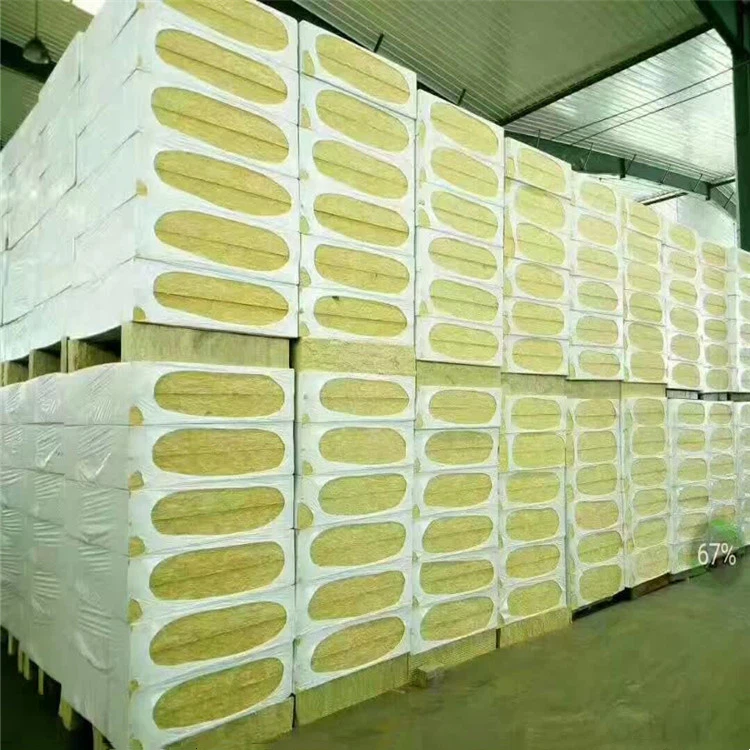
For example, our Insulation Rock Wool Board is manufactured using advanced techniques to ensure a high - quality product. It has a well - defined fiber structure that provides excellent mechanical strength, making it more resistant to seismic forces.

2. Optimize the Installation Method
Proper installation is key to improving the seismic resistance of rock wool boards. The boards should be securely fastened to the building structure to prevent them from becoming dislodged during an earthquake.
One effective installation method is to use mechanical fasteners in combination with adhesive. Mechanical fasteners, such as screws or nails, can provide a direct connection between the rock wool board and the building structure, while adhesive can help distribute the load evenly and prevent local stress concentrations.
In addition, the joint design between the rock wool boards is also important. Tight joints can prevent the boards from shifting relative to each other during seismic events. For instance, tongue - and - groove joints can provide a better interlocking mechanism compared to simple butt joints, enhancing the overall stability of the rock wool insulation system.
3. Incorporate Structural Reinforcement
Adding structural reinforcement to the rock wool board installation can significantly improve its seismic resistance. For example, installing wire mesh or fiberglass reinforcement on the surface of the rock wool boards can help distribute the seismic forces and prevent cracking.
The wire mesh or fiberglass reinforcement acts as a secondary support system, holding the rock wool boards together and preventing large - scale damage. This reinforcement can be applied either during the installation process or as part of a pre - fabricated assembly.
4. Consider the Building Design
The overall design of the building also affects the seismic performance of rock wool boards. Buildings with a regular shape and a symmetrical layout are generally more resistant to seismic forces than those with irregular shapes.
When designing a building, architects and engineers should consider the placement and orientation of the rock wool boards to ensure that they are not subjected to excessive stress during seismic events. For example, avoiding placing the boards in areas with high stress concentrations, such as near corners or openings, can reduce the risk of damage.
Case Studies
To illustrate the effectiveness of these strategies, let's look at some case studies. In a recent building project in an earthquake - prone area, the use of high - quality Exterior Wall Rock Wool Board combined with proper installation techniques and structural reinforcement led to excellent seismic performance.
The rock wool boards were installed using a combination of mechanical fasteners and adhesive, and a wire mesh was added to the surface for reinforcement. During a moderate earthquake, the rock wool insulation system remained intact, providing continuous thermal insulation and fire protection to the building.
In another project, the use of Rockwool Composite Panels in a well - designed building with a regular layout also showed good seismic resistance. The composite panels were pre - fabricated with a strong outer layer and a high - density rock wool core, which helped them withstand the seismic forces without significant damage.
Conclusion
Improving the seismic resistance of rock wool boards in buildings is a multi - faceted approach that involves selecting high - quality materials, optimizing the installation method, incorporating structural reinforcement, and considering the building design. By implementing these strategies, we can ensure that rock wool boards not only provide excellent insulation and fire protection but also contribute to the overall safety and durability of buildings in earthquake - prone areas.
If you are interested in purchasing high - quality rock wool boards for your building projects, we are here to assist you. Our team of experts can provide you with detailed product information and professional advice on installation and seismic design. Contact us to start a procurement negotiation and take the first step towards a safer and more energy - efficient building.
References
- "Seismic Design of Buildings", National Building Code, [Year of Publication]
- "Rock Wool Insulation: Properties and Applications", Journal of Building Materials, [Volume], [Year]
- "Case Studies of Seismic - Resistant Building Insulation Systems", Proceedings of the International Conference on Earthquake Engineering, [Year]