

Does glass wool panel shrink over time?
As a seasoned supplier of glass wool panels, I've encountered numerous inquiries from customers about the long - term performance of our products, with one question often taking the spotlight: "Does glass wool panel shrink over time?" In this blog, we'll delve deep into this matter, exploring the science behind glass wool and unpacking the factors that may or may not lead to shrinkage.
Understanding Glass Wool Panels
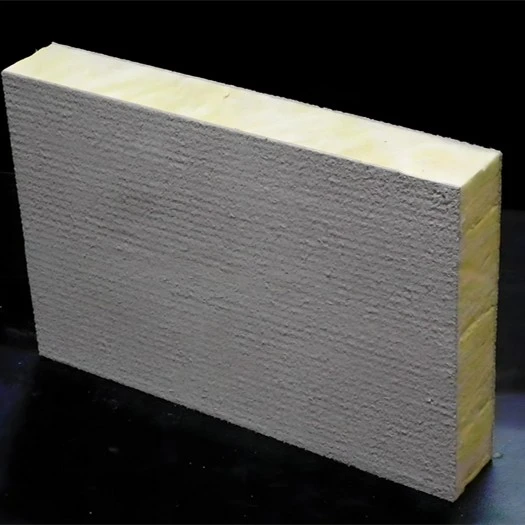
Before we address shrinkage, it's crucial to understand what glass wool panels are. Glass wool is a type of insulation material made from fine fibers of glass. These fibers are created by spinning molten glass, and they are then combined and compacted to form panels. Glass wool panels are lauded for their excellent thermal insulation properties, acoustic performance, and fire - resistance. They are commonly used in various applications, including residential and commercial buildings, industrial facilities, and HVAC systems.
There are different types of glass wool panels available in the market. For instance, you can explore our Composite Glass Wool Board, which combines the benefits of glass wool with other materials for enhanced performance. Our Glass Wool Insulation Board is designed primarily for insulation purposes, while the Glass Wool Board for Wall is tailored to meet the specific needs of wall insulation.
Factors Affecting Shrinkage in Glass Wool Panels
Temperature
One of the most significant factors that can potentially cause shrinkage in glass wool panels is temperature. Extremely high or low temperatures can have an impact on the physical properties of the glass fibers. When exposed to high temperatures, the glass fibers may start to lose their structural integrity. The heat can cause the fibers to soften and change shape, leading to a reduction in the overall volume of the panel.
For example, in industrial settings where glass wool panels are used for insulating pipes or furnaces, if the temperature exceeds the recommended limit for the particular type of glass wool, shrinkage may occur over time. Conversely, in extremely cold conditions, the fibers can become more brittle. As the glass wool is subjected to repeated temperature changes, the expansion and contraction cycles can gradually cause the fibers to break down, resulting in shrinkage.
Moisture
Moisture is another critical factor that can influence the shrinkage of glass wool panels. Glass wool is generally a porous material, and when it comes into contact with moisture, it can absorb water. The absorbed water can cause the glass fibers to swell initially. However, when the moisture evaporates, the fibers may not return to their original state. This can lead to a loss of volume and eventually shrinkage.

In areas with high humidity or where there is a risk of water leakage, such as basements or bathrooms, proper moisture - control measures must be in place. If glass wool panels are installed in these environments without adequate protection, the long - term exposure to moisture can gradually degrade the fibers and cause shrinkage.
Compression
Physical compression over time can also lead to shrinkage in glass wool panels. In some installations, the panels may be subjected to continuous pressure from other building components or equipment. For example, if glass wool is used as insulation in a ceiling and there is heavy equipment placed on top of it, the constant pressure can cause the fibers to compress and not regain their original shape.
Moreover, during transportation and storage, improper handling can also subject the panels to compression. This pre - installation compression can have a lasting effect on the panel's dimensions and may contribute to shrinkage once it is installed.
Quality of Glass Wool Panels
The quality of the glass wool panels plays a vital role in determining whether they will shrink over time. High - quality glass wool panels are manufactured with strict quality control measures. The glass fibers are carefully selected and processed to ensure their durability and resistance to environmental factors.
Panels made from high - grade glass fibers are more likely to withstand temperature variations, moisture, and compression without significant shrinkage. Additionally, the manufacturing process can also affect the panel's integrity. Panels that are properly bonded and have a uniform density are less prone to shrinkage compared to those with inconsistent manufacturing quality.
How to Mitigate Shrinkage
Proper Installation
Proper installation is crucial in preventing shrinkage. Follow the installation guidelines provided by the manufacturer. Ensure that the panels are installed in a clean, dry environment, and that they are not compressed during installation. There should be proper gaps for ventilation to prevent the build - up of moisture.
Environmental Control
Control the environmental conditions where the glass wool panels are installed. In areas prone to high humidity, install moisture - resistant barriers or use dehumidifiers. In high - temperature environments, make sure the panels are used within their recommended temperature range.
Regular Inspection
Regularly inspect the glass wool panels for any signs of shrinkage, damage, or moisture ingress. Early detection can allow for timely repairs or replacements, which can prevent further degradation of the insulation performance.
Conclusion
In conclusion, while glass wool panels can shrink over time, it is not an inevitable outcome. By understanding the factors that can cause shrinkage, such as temperature, moisture, and compression, and taking appropriate measures to mitigate these risks, it is possible to maintain the integrity of the glass wool panels for an extended period.
As a glass wool panel supplier, we are committed to providing high - quality products and offering professional advice on installation and maintenance. If you are considering purchasing glass wool panels for your project or have any questions about shrinkage or our products, we encourage you to reach out to us for a detailed discussion. We are here to help you make the best choice for your insulation needs.
References
- "Insulation Materials Handbook", published by an industry - leading research institute.
- Technical reports from glass wool manufacturing associations.