

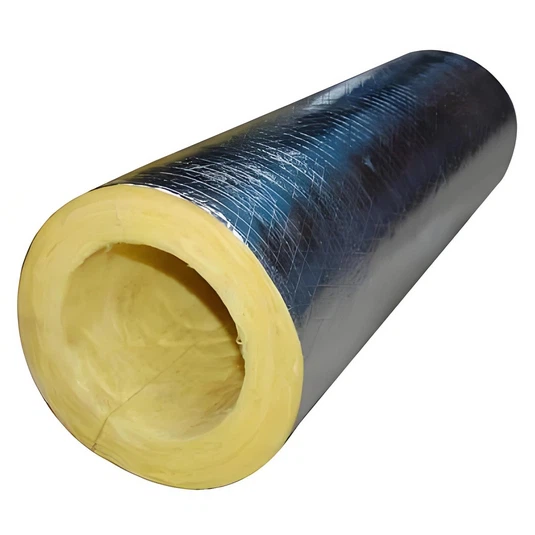
Glass wool tube, a popular insulation material, has been widely used in various industries due to its excellent thermal insulation, sound absorption, and fire - resistance properties. As a glass wool tube supplier, one of the most frequently asked questions from our customers is: "How long does glass wool tube last?" In this blog, we will delve into the factors that affect the lifespan of glass wool tubes and provide an in - depth analysis of their durability.
Factors Affecting the Lifespan of Glass Wool Tubes
1. Environmental Conditions
The environment in which the glass wool tube is installed plays a crucial role in determining its lifespan. In dry and clean environments, glass wool tubes can last for a relatively long time. For example, in indoor industrial settings where the humidity is well - controlled and there is no exposure to harsh chemicals or physical damage, glass wool tubes can maintain their performance for 20 - 30 years.
On the other hand, in humid or wet environments, the lifespan of glass wool tubes can be significantly reduced. Moisture can penetrate the glass wool fibers, causing them to clump together and lose their insulating properties. Additionally, moisture can promote the growth of mold and mildew, which not only affects the performance of the insulation but also poses a health risk. In such environments, the lifespan of glass wool tubes may be reduced to 5 - 10 years.

2. Chemical Exposure
Exposure to certain chemicals can also have a negative impact on the lifespan of glass wool tubes. For instance, strong acids or alkalis can corrode the glass wool fibers, weakening their structure and reducing their insulating efficiency. In industrial areas where there is a high concentration of chemical fumes or where the glass wool tubes are in direct contact with chemicals, proper protective measures should be taken to ensure their longevity. If not protected, the lifespan of glass wool tubes in these environments may be as short as 3 - 5 years.
3. Physical Damage
Physical damage is another factor that can shorten the lifespan of glass wool tubes. During installation or maintenance, if the tubes are not handled carefully, they may be punctured, torn, or compressed. These damages can disrupt the fiber structure of the glass wool, reducing its insulating performance. In areas where there is a high risk of physical damage, such as construction sites or areas with heavy machinery, the lifespan of glass wool tubes may be reduced to 10 - 15 years.
4. Quality of the Glass Wool Tube
The quality of the glass wool tube itself is a fundamental factor in determining its lifespan. High - quality glass wool tubes are made from fine - grade glass fibers that are more resistant to environmental factors and physical damage. They are also manufactured with better binders and additives, which enhance their durability. As a supplier, we ensure that our Glass Wool Pipe Insulation products are of the highest quality, using advanced manufacturing processes and strict quality control measures. Our high - quality glass wool tubes can last up to 30 years or more under normal conditions.
Lifespan in Different Applications
1. HVAC Systems
In heating, ventilation, and air - conditioning (HVAC) systems, glass wool tubes are commonly used to insulate pipes and ducts. In a well - maintained HVAC system with a controlled indoor environment, glass wool tubes can last for 15 - 25 years. The relatively stable temperature and humidity conditions in HVAC systems help to preserve the integrity of the glass wool fibers. However, if the HVAC system has leaks or if there is poor air circulation, which can lead to moisture accumulation, the lifespan may be reduced.
2. Industrial Piping
In industrial piping applications, the lifespan of glass wool tubes can vary widely depending on the type of industry and the operating conditions. In chemical processing plants, where there is a high risk of chemical exposure and physical damage, the lifespan may be 5 - 10 years. In contrast, in power plants with relatively clean and stable operating conditions, glass wool tubes can last for 20 - 30 years. Our Glass Wool Pipe with Alum Foil is often used in industrial piping applications, providing an additional layer of protection against moisture and physical damage.
3. Building Construction
In building construction, glass wool tubes are used for thermal insulation of pipes in walls, floors, and ceilings. In residential buildings with normal living conditions, glass wool tubes can last for 20 - 30 years. In commercial buildings, where there may be more traffic and potential for physical damage, the lifespan may be slightly shorter, around 15 - 25 years. Our Fire Resistant Glass Wool Pipe Section is a popular choice for building construction, as it not only provides excellent insulation but also enhances fire safety.
Maintenance and Inspection
Regular maintenance and inspection can significantly extend the lifespan of glass wool tubes. Inspections should be carried out periodically to check for signs of damage, moisture, or mold growth. If any issues are detected, they should be addressed promptly. For example, if there is a small puncture in the glass wool tube, it can be repaired using appropriate materials. If moisture is detected, the source of the moisture should be identified and eliminated.
In addition, proper cleaning and ventilation can help to maintain the performance of glass wool tubes. In areas where there is a risk of dust accumulation, the tubes should be cleaned regularly to prevent the dust from clogging the fibers and reducing their insulating efficiency.
Conclusion
The lifespan of glass wool tubes can vary from 5 - 30 years depending on various factors such as environmental conditions, chemical exposure, physical damage, and the quality of the product. As a glass wool tube supplier, we are committed to providing high - quality products that can withstand different operating conditions. By choosing our products and following proper maintenance and inspection procedures, our customers can ensure that their glass wool tubes last for a long time.
If you are interested in purchasing glass wool tubes or have any questions about their lifespan and performance, please feel free to contact us for a detailed discussion. We look forward to serving you and helping you find the best insulation solutions for your needs.
References
- ASHRAE Handbook - Fundamentals. American Society of Heating, Refrigerating and Air - Conditioning Engineers.
- Insulation Manufacturer's Association Technical Guides.