

Hey there! As a supplier of rubber insulation, I often get asked if our products can be used in marine applications. Well, let's dive right into this topic and find out if rubber insulation is a good fit for the challenging marine environment.
First off, let's talk about what makes the marine environment so tough. The sea is a harsh place. There's constant exposure to saltwater, which is extremely corrosive. Waves and strong winds can cause mechanical stress on any materials used on boats or offshore structures. And then there's the wide range of temperatures, from the cold chill of the open ocean at night to the scorching heat under the sun during the day.
So, can rubber insulation handle all these challenges? The answer is a big yes, and here's why.
One of the key properties of rubber insulation is its excellent resistance to water. Rubber is naturally hydrophobic, which means it repels water. This is crucial in a marine setting where everything is constantly exposed to moisture. Whether it's the splashing waves or the high humidity levels, rubber insulation can keep its integrity and prevent water from seeping into the areas it's protecting.
Another important factor is its flexibility. Rubber insulation can be easily bent, shaped, and cut to fit different parts of a marine vessel or structure. This makes it very versatile. You can use it to insulate pipes, engines, cabins, and even electrical systems. For example, if you have a complex network of pipes on a boat, rubber insulation can be wrapped around them snugly, providing insulation and preventing heat loss or gain.
When it comes to durability, rubber insulation is a champ. It can withstand a lot of wear and tear. The constant vibrations from the engines and the movement of the boat on the water won't easily damage it. It also has good resistance to UV rays. Out on the open sea, the sun's rays are intense, and many materials can degrade quickly under prolonged exposure. But rubber insulation can hold up well, maintaining its performance over time.
Now, let's take a look at some of the specific types of rubber insulation we offer and how they can be used in marine applications.
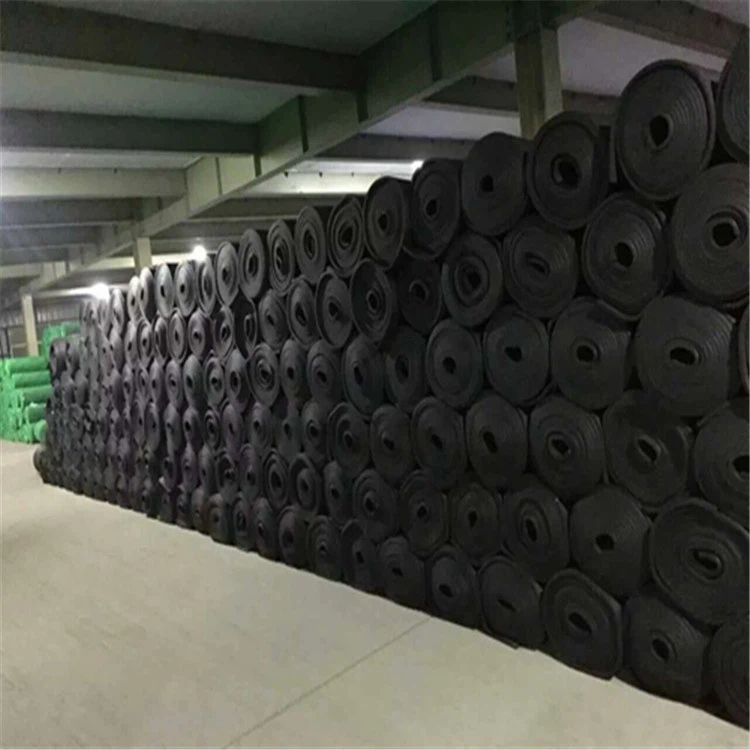

The Sound Absorbing Rubber Sheet is a great option for reducing noise on a boat. Engines can be quite noisy, and the sound can travel through the structure of the vessel. By installing sound-absorbing rubber sheets in the engine room or other noisy areas, you can significantly reduce the amount of noise that reaches the living quarters. This creates a more comfortable environment for the crew and passengers.
Our Rubber Insulation Board is ideal for insulating large areas. It can be used to line the walls and ceilings of cabins to keep them warm in cold weather and cool in hot weather. The board is rigid enough to provide good insulation while also being easy to install. You can simply cut it to the right size and attach it to the surfaces using appropriate adhesives.
The NBR PVC Insulation Board is another excellent choice. NBR (Nitrile Butadiene Rubber) and PVC (Polyvinyl Chloride) combination gives it enhanced chemical resistance. In a marine environment, there are various chemicals present, such as fuel, lubricants, and cleaning agents. The NBR PVC insulation board can resist the damage caused by these chemicals, ensuring long - term performance.
In addition to the above benefits, rubber insulation also has good fire - retardant properties. Safety is a top priority on any marine vessel, and having insulation that can help prevent the spread of fire is crucial. Our rubber insulation products are designed to meet strict fire safety standards, giving you peace of mind.
However, it's important to note that proper installation is key. Even the best rubber insulation won't perform as expected if it's not installed correctly. Make sure to follow the installation guidelines carefully. If you're not sure how to install it, our team of experts is always ready to provide advice and support.
So, if you're in the marine industry and looking for high - quality insulation solutions, rubber insulation is definitely worth considering. Whether you're building a new boat, renovating an existing one, or working on an offshore structure, our rubber insulation products can meet your needs.
If you're interested in learning more about our rubber insulation products or have any questions about using them in marine applications, don't hesitate to get in touch. We're here to help you find the right insulation solutions for your specific requirements. Contact us today to start a conversation about your procurement needs.
References
- "Handbook of Rubber Technology"
- "Marine Engineering: Principles and Practice"