

Certainly, here is an English blog about whether rubber insulation can be used in data centers:
In the era of rapid digital transformation, data centers have become the cornerstone of modern society, supporting everything from cloud computing and artificial intelligence to e-commerce and online entertainment. Ensuring the efficient and reliable operation of these facilities is crucial, and one often overlooked aspect is insulation. As a leading rubber insulation supplier, I am frequently asked whether rubber insulation can be used in data centers. In this blog post, I will explore this question in detail, discussing the benefits, considerations, and applications of rubber insulation in data center environments.
The Importance of Insulation in Data Centers
Data centers are high-energy-consuming facilities that generate a significant amount of heat. To maintain optimal operating conditions, it is essential to control the temperature and humidity within the facility. Insulation plays a vital role in this process by reducing heat transfer, minimizing energy consumption, and preventing condensation. By insulating the walls, floors, ceilings, and pipes in a data center, you can create a more stable and efficient environment, which can lead to lower energy costs, increased equipment lifespan, and improved overall performance.

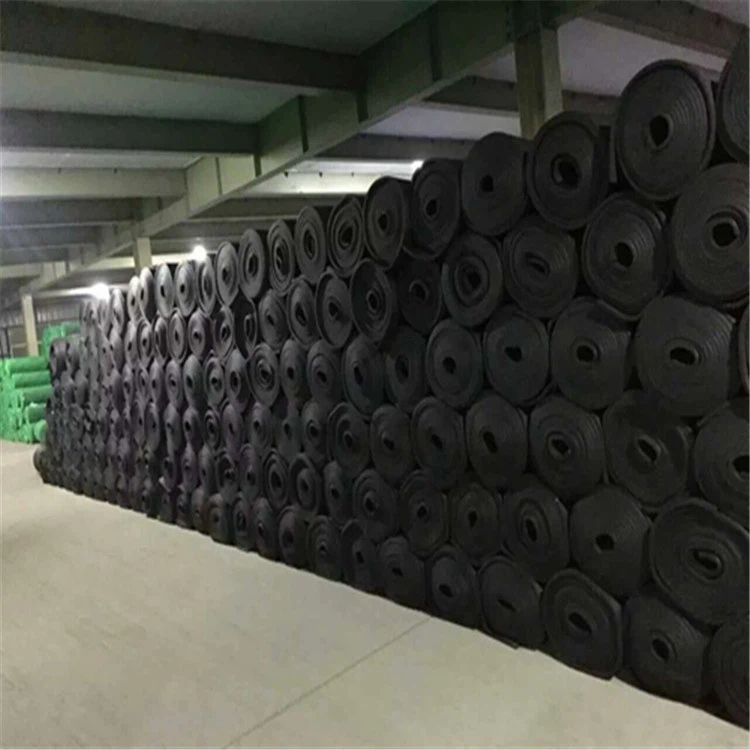
Benefits of Rubber Insulation
Rubber insulation offers several advantages that make it an attractive option for data center applications. Here are some of the key benefits:
Excellent Thermal Insulation
Rubber insulation has a low thermal conductivity, which means it can effectively reduce heat transfer. This is particularly important in data centers, where maintaining a consistent temperature is crucial for the proper functioning of equipment. By using rubber insulation, you can minimize heat loss or gain, which can help to reduce energy consumption and lower operating costs.
Moisture Resistance
Data centers are often located in environments with high humidity levels, which can lead to condensation and moisture damage. Rubber insulation is highly resistant to moisture, making it an ideal choice for these applications. It can prevent water vapor from penetrating the insulation, which can help to protect the equipment and prevent corrosion.
Fire Resistance
Fire safety is a major concern in data centers, as a single fire can cause significant damage to the facility and its equipment. Rubber insulation is available in fire-resistant grades, which can help to prevent the spread of fire and reduce the risk of damage. These grades are typically tested and certified to meet strict fire safety standards, such as UL 94 and ASTM E84.
Sound Absorption
Data centers are noisy environments, with the constant hum of servers, cooling systems, and other equipment. Rubber insulation can help to reduce noise levels by absorbing sound waves. This can create a more comfortable and productive working environment for employees, as well as reduce the impact of noise on neighboring areas.
Flexibility and Durability
Rubber insulation is a flexible material that can be easily installed in a variety of applications. It can conform to irregular shapes and surfaces, making it ideal for use in complex data center environments. Additionally, rubber insulation is highly durable and can withstand the rigors of daily use, which can help to ensure long-term performance and reliability.
Considerations for Using Rubber Insulation in Data Centers
While rubber insulation offers many benefits, there are also some considerations to keep in mind when using it in data center applications. Here are some of the key factors to consider:
Compatibility with Equipment
Before using rubber insulation in a data center, it is important to ensure that it is compatible with the equipment and materials used in the facility. Some types of rubber insulation may contain chemicals or additives that can react with certain metals or plastics, which can cause corrosion or damage. It is important to consult with the equipment manufacturer and the insulation supplier to ensure that the insulation is compatible with the specific equipment and materials used in the data center.
Installation Requirements
Proper installation is crucial for the performance and effectiveness of rubber insulation. It is important to follow the manufacturer's installation instructions carefully and to use the correct tools and techniques. Improper installation can lead to gaps or voids in the insulation, which can reduce its thermal performance and increase the risk of moisture damage. Additionally, it is important to ensure that the insulation is installed in a way that does not interfere with the operation of the equipment or the ventilation system.
Maintenance and Inspection
Like any other component in a data center, rubber insulation requires regular maintenance and inspection to ensure its continued performance and reliability. It is important to check the insulation for signs of damage, wear, or degradation on a regular basis and to replace any damaged or worn insulation as needed. Additionally, it is important to keep the insulation clean and free of debris, which can reduce its thermal performance and increase the risk of fire.
Applications of Rubber Insulation in Data Centers
Rubber insulation can be used in a variety of applications in data centers, including:
Pipe Insulation
Pipes are a common source of heat loss and condensation in data centers. By insulating the pipes with rubber insulation, you can reduce heat transfer, prevent condensation, and protect the pipes from corrosion. Black Rubber Pipe Insulation is a popular choice for pipe insulation in data centers due to its excellent thermal insulation properties and moisture resistance.
Wall and Ceiling Insulation
Insulating the walls and ceilings of a data center can help to reduce heat transfer and minimize energy consumption. Rubber insulation can be installed between the studs and joists of the walls and ceilings to provide a thermal barrier. NBR PVC Insulation Board is a common type of rubber insulation used for wall and ceiling insulation in data centers due to its high thermal performance and fire resistance.
Soundproofing
Data centers are noisy environments, and soundproofing can help to reduce noise levels and create a more comfortable working environment. Rubber insulation can be used as a sound-absorbing material to reduce noise transmission through the walls, floors, and ceilings of the data center. Sound Absorbing Rubber Sheet is a popular choice for soundproofing in data centers due to its excellent sound absorption properties and flexibility.
Conclusion
In conclusion, rubber insulation can be an excellent choice for use in data centers. It offers several benefits, including excellent thermal insulation, moisture resistance, fire resistance, sound absorption, flexibility, and durability. However, it is important to consider the compatibility with equipment, installation requirements, and maintenance and inspection when using rubber insulation in data center applications. By choosing the right type of rubber insulation and ensuring proper installation and maintenance, you can create a more efficient, reliable, and comfortable data center environment.
If you are interested in learning more about our rubber insulation products and how they can be used in your data center, please [contact us] for more information. Our team of experts is available to answer your questions and help you find the right insulation solution for your specific needs.
References
- ASHRAE Handbook: HVAC Systems and Equipment
- NFPA 75: Standard for the Fire Protection of Information Technology Equipment
- UL 94: Standard for Safety of Flammability of Plastic Materials for Parts in Devices and Appliances
- ASTM E84: Standard Test Method for Surface Burning Characteristics of Building Materials