

As a supplier of Hydrophobic Rock Wool Pipe, I've been getting a lot of questions lately about how to make these pipes more resistant to seismic activities. It's a crucial concern, especially in areas prone to earthquakes. In this blog post, I'll share some practical seismic - resistance measures for Hydrophobic Rock Wool Pipe that can help ensure the longevity and safety of your installations.

Understanding the Basics of Hydrophobic Rock Wool Pipe
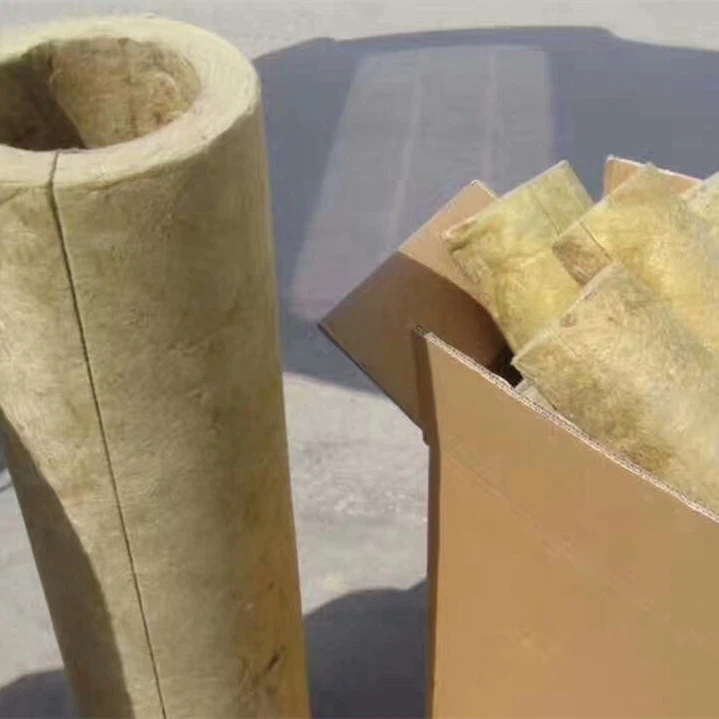
First off, let's quickly go over what Hydrophobic Rock Wool Pipe is. It's an insulating material made from natural rocks that are melted and spun into fibers. The "hydrophobic" part means it repels water, which is great for preventing moisture - related damage. You can check out more details about Hydrophobic Rock Wool Pipe on our website.
This type of pipe is widely used in various industries, including HVAC, plumbing, and industrial piping systems. It provides excellent thermal insulation, which helps in reducing energy consumption and maintaining stable temperatures. But when an earthquake hits, these pipes can be at risk of damage, which can lead to insulation failure and other issues.
Seismic - Resistance Measures
Proper Installation
The first step in making Hydrophobic Rock Wool Pipe more earthquake - resistant is proper installation. This includes using the right hangers and supports. You should use seismic - rated hangers that can withstand the lateral forces generated during an earthquake. These hangers are designed to move and flex with the building's movement, reducing the stress on the pipes.
For example, you can use sway braces and struts to secure the pipes to the building structure. These braces should be installed at regular intervals along the length of the pipe to provide adequate support. Make sure to follow the manufacturer's guidelines for installation, as incorrect installation can actually increase the risk of damage during an earthquake.
Flexible Joints
Another important measure is the use of flexible joints in the piping system. Flexible joints allow the pipes to move and bend slightly during an earthquake without breaking. This can significantly reduce the risk of pipe rupture and damage to the insulation.
There are different types of flexible joints available, such as rubber expansion joints and bellows. These joints can absorb the shock and movement caused by seismic activity. When choosing flexible joints, make sure they are compatible with the Hydrophobic Rock Wool Pipe and can withstand the operating conditions of your system.
Anchoring to the Building Structure
Anchoring the Hydrophobic Rock Wool Pipe to the building structure is also crucial. This helps to keep the pipes in place during an earthquake and prevents them from shifting or falling. You can use anchor bolts or straps to secure the pipes to the walls, floors, or ceilings.
However, it's important to ensure that the building structure itself is strong enough to support the pipes during an earthquake. If the building has a weak structure, the pipes may still be at risk of damage, even with proper anchoring.
Reinforcement of the Pipe
In some cases, you may need to reinforce the Hydrophobic Rock Wool Pipe itself. This can be done by adding an outer layer of protective material, such as Aluminum Foil Rock Wool Pipe. The aluminum foil provides an extra layer of strength and can help protect the pipe from physical damage during an earthquake.
You can also consider using Fireproof Rock Wool Pipe in areas where there is a higher risk of fire in addition to seismic activity. The fireproof properties of this pipe can provide an added layer of safety.
Regular Inspections
Regular inspections of the Hydrophobic Rock Wool Pipe system are essential to ensure its seismic - resistance. This includes checking the hangers, supports, flexible joints, and the condition of the pipe itself. Look for any signs of wear, damage, or loosening.
If you notice any issues during the inspection, make sure to address them immediately. This may involve replacing damaged parts or tightening loose connections. Regular maintenance can help prevent small problems from turning into major disasters during an earthquake.
Benefits of Seismic - Resistant Hydrophobic Rock Wool Pipe
Investing in seismic - resistance measures for Hydrophobic Rock Wool Pipe has several benefits. Firstly, it ensures the safety of your building and its occupants. Damaged pipes during an earthquake can lead to leaks, which can cause water damage, mold growth, and even fire hazards in some cases.
Secondly, it helps to maintain the efficiency of your piping system. Seismic - resistant pipes are less likely to be damaged, which means they can continue to provide effective thermal insulation. This can result in lower energy costs and better overall performance of your HVAC or plumbing system.
Contact Us for Seismic - Resistant Solutions
If you're looking for high - quality Hydrophobic Rock Wool Pipe and want to discuss seismic - resistance measures for your project, don't hesitate to get in touch. We have a team of experts who can help you choose the right products and provide installation advice. Whether you're working on a small residential project or a large industrial development, we have the solutions you need.
References
- Building Seismic Safety Council. (2023). Seismic Design and Retrofit Guidelines.
- International Code Council. (2023). International Building Code.
- Manufacturer's Installation Manual for Hydrophobic Rock Wool Pipe.