

In the realm of industrial and construction materials, rock wool sliver has emerged as a versatile and indispensable product. As a professional rock wool sliver supplier, I have witnessed firsthand the numerous applications and benefits of this remarkable material. In this blog, I will delve into the main uses of rock wool sliver, exploring its diverse applications in various industries.
Thermal Insulation
One of the primary uses of rock wool sliver is in thermal insulation. Rock wool is an excellent insulator due to its high porosity and low thermal conductivity. When used as insulation, rock wool sliver can effectively reduce heat transfer, keeping buildings warm in the winter and cool in the summer. This not only enhances the comfort of indoor spaces but also helps to reduce energy consumption and lower heating and cooling costs.
In the construction industry, rock wool sliver is commonly used in the insulation of walls, roofs, and floors. It can be installed in the cavities of walls or used as a continuous layer between the structural elements and the finishing materials. Rock Wool Sheet made from rock wool sliver provides a cost - effective and long - lasting insulation solution. For example, in cold climates, installing rock wool insulation in the attic can prevent heat from escaping through the roof, significantly reducing heating bills.
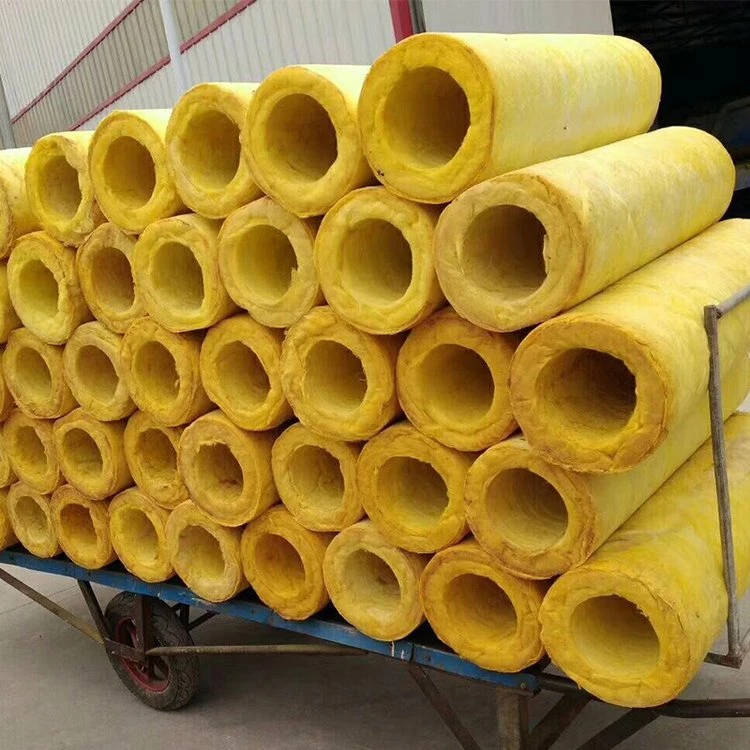
In industrial settings, rock wool insulation is crucial for thermal protection in pipes, boilers, and furnaces. Hydrophobic Rock Wool Pipe insulation made from rock wool sliver can withstand high temperatures and prevent heat loss from steam pipes and hot water systems. This not only improves the energy efficiency of industrial processes but also reduces the risk of burns and injuries for workers.
Sound Absorption
Another important application of rock wool sliver is in sound absorption. The porous structure of rock wool allows it to effectively absorb sound waves, reducing noise levels in various environments. In architectural design, rock wool is widely used in the construction of auditoriums, theaters, recording studios, and office spaces to create a quiet and comfortable acoustic environment.
Rock Wool Roll can be installed on the walls and ceilings of these spaces to absorb sound reflections and prevent echo. In addition, rock wool sliver can be used in the construction of partitions and acoustic panels to further enhance sound insulation. For example, in an open - plan office, installing rock wool - based acoustic partitions can reduce the noise interference between different work areas, improving productivity and the quality of the working environment.
Fire Resistance
Rock wool sliver is highly fire - resistant, making it an ideal material for fire protection applications. It has a high melting point and does not burn or support combustion, which can effectively prevent the spread of fire in buildings and industrial facilities.
In building construction, rock wool is used as a fire - stopping material in walls, floors, and ceilings. It can be installed in the gaps around pipes, cables, and ducts to prevent the passage of fire and smoke. In addition, rock wool insulation can protect structural elements from the high temperatures of a fire, maintaining the integrity of the building for a longer period.

In industrial settings, rock wool is used in the insulation of fire - rated enclosures for electrical equipment, transformers, and generators. This helps to prevent the spread of fire in case of an electrical fault, protecting the equipment and ensuring the safety of the facility.
Filtration
Rock wool sliver has also found applications in filtration systems. Its fibrous structure provides a large surface area for filtering particles and contaminants from fluids and gases. In the water treatment industry, rock wool filters can be used to remove suspended solids, sediment, and other impurities from water.
In the air filtration industry, rock wool is used in the production of air filters for HVAC (Heating, Ventilation, and Air Conditioning) systems. These filters can effectively capture dust, pollen, and other airborne particles, improving the air quality in indoor spaces. The high durability and chemical resistance of rock wool make it a reliable material for long - term filtration applications.
Agriculture
In agriculture, rock wool sliver is used as a growing medium for hydroponic and soilless cultivation systems. Rock wool has excellent water - holding capacity and aeration properties, providing an ideal environment for plant roots to grow. It can be used to grow a variety of plants, including vegetables, fruits, and flowers.
Rock wool cubes or slabs made from rock wool sliver are commonly used in hydroponic systems. These growing media can be pre - moistened and seeded, and then the plants can grow directly in the rock wool. The rock wool provides a stable support structure for the plants and allows for precise control of nutrient and water delivery, resulting in higher yields and better - quality crops.
Conclusion
In conclusion, rock wool sliver is a highly versatile material with a wide range of applications in various industries. Its excellent thermal insulation, sound absorption, fire resistance, filtration, and agricultural properties make it a valuable product for both commercial and residential use.
As a rock wool sliver supplier, I am committed to providing high - quality products to meet the diverse needs of our customers. Whether you are in the construction, industrial, agricultural, or environmental protection sector, we can offer you the right rock wool sliver solutions.
If you are interested in purchasing rock wool sliver or have any questions about its applications, please feel free to contact us. We look forward to discussing your requirements and providing you with the best possible service.
References
- "Insulation Materials Handbook", John Wiley & Sons
- "Acoustic Design for Architects", Architectural Press
- "Fire Protection Engineering Principles and Practice", Society of Fire Protection Engineers
- "Hydroponic Gardening: A Comprehensive Guide", Storey Publishing