

Insulation rock wool board is a popular choice for various insulation applications due to its excellent thermal and acoustic insulation properties. As a supplier of Insulation Rock Wool Board, I often receive inquiries about how this material resists pests. In this blog post, I will delve into the mechanisms by which insulation rock wool board keeps pests at bay.
The Composition of Insulation Rock Wool Board
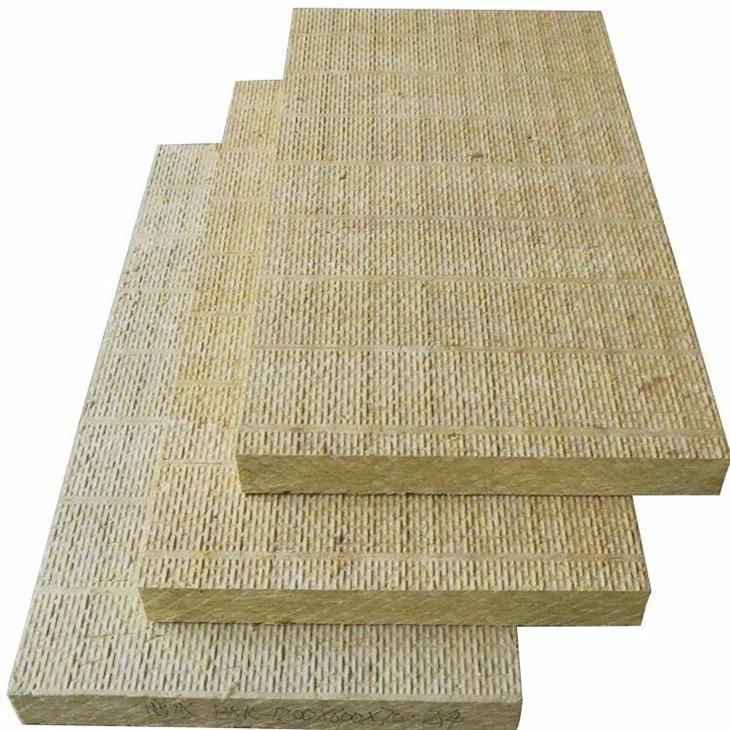
Insulation rock wool board is primarily made from natural rocks such as basalt and diabase. These rocks are melted at high temperatures and then spun into fine fibers. The resulting material is a dense, fibrous board that has unique physical and chemical properties.
The inorganic nature of rock wool is one of the key factors in its pest - resistance. Unlike organic materials such as wood, which provide a source of food for many pests, rock wool is not a nutrient source for insects, rodents, or other pests. Insects like termites, which feed on cellulose found in wood, have no interest in rock wool because it does not contain any cellulose or other organic compounds that they can digest.
Physical Barriers
The dense structure of insulation rock wool board acts as a physical barrier against pests. The fine fibers are tightly packed together, creating a maze - like structure that is difficult for pests to penetrate.
For Insects
Small insects, such as ants and cockroaches, find it challenging to move through the dense fibers of the rock wool board. The fibers can entangle their legs and antennae, making it difficult for them to navigate. Moreover, the small voids between the fibers are too small for most insects to build nests or lay eggs. This lack of suitable nesting sites discourages insects from taking up residence in the rock wool insulation.
For Rodents
Rodents, like mice and rats, are known for their ability to chew through various materials. However, the tough and fibrous nature of rock wool board makes it a less appealing target for them. The sharp edges of the rock wool fibers can irritate the rodents' mouths and digestive tracts if they attempt to chew on it. Additionally, the dense structure of the board does not provide a comfortable or stable environment for rodents to build their nests. They prefer softer, more pliable materials that they can easily shape into a cozy nest.
Lack of Moisture Retention
Pests are often attracted to areas with high moisture levels because moisture is essential for their survival and reproduction. Insulation rock wool board has excellent moisture - resistant properties.
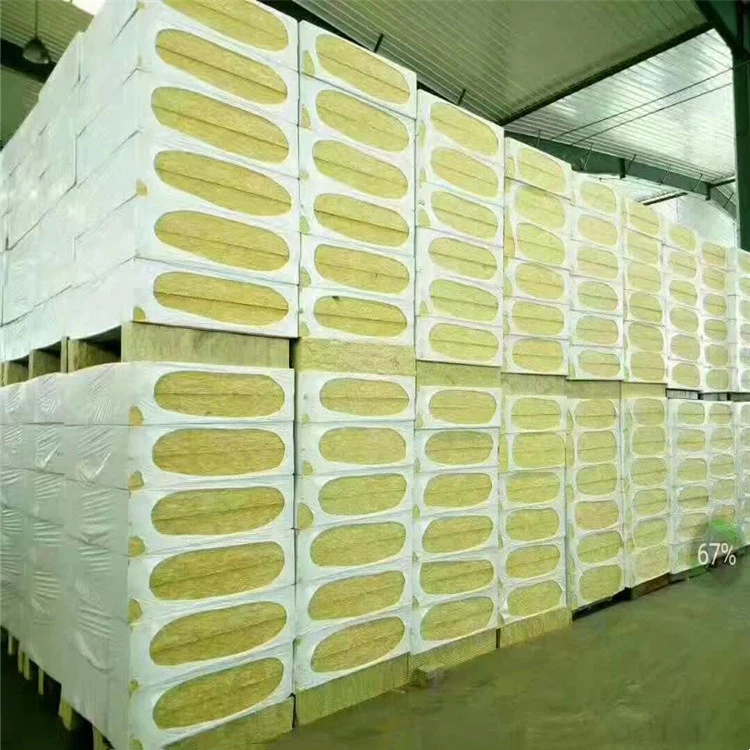
Rock wool is hydrophobic, meaning it repels water. It can absorb only a small amount of moisture, and it quickly releases any absorbed moisture back into the environment. This low moisture content makes the rock wool board an inhospitable environment for pests that thrive in damp conditions, such as mold - feeding insects and some types of mites.
Mold growth is also a concern as it can attract pests. Since rock wool does not retain moisture, the conditions for mold growth are not favorable. Without mold, there is no food source for mold - eating pests, further reducing the likelihood of a pest infestation.
Chemical Inertness
Insulation rock wool board is chemically inert. It does not emit any volatile organic compounds (VOCs) or other chemicals that could attract pests. Some building materials release odors or chemical signals that can act as attractants for pests. For example, certain types of wood emit pheromones that can attract insects. In contrast, rock wool board is odorless and does not produce any chemical cues that would draw pests to it.
Applications in Different Settings
Residential Buildings
In homes, insulation rock wool board can be used in walls, attics, and basements. In the attic, it not only provides thermal insulation but also helps prevent pests from entering the living space. Rodents often enter attics through small openings and can cause damage to wiring and insulation materials. By installing Exterior Wall Rock Wool Board in the attic, homeowners can create a barrier that deters rodents from accessing the area.
In basements, where moisture is often a problem, rock wool board's moisture - resistant properties are particularly beneficial. It helps keep the area dry, reducing the risk of mold growth and the subsequent attraction of pests.
Commercial Buildings
Commercial buildings, such as warehouses and factories, also benefit from the pest - resistant properties of insulation rock wool board. In warehouses, where stored goods need to be protected from pests, rock wool insulation can be installed in the walls and ceilings. The dense structure of the rock wool board prevents pests from entering the building through the insulation, protecting the inventory from damage.
In factories, especially those in the food and beverage industry, pest control is of utmost importance. Insulation rock wool board can be used to insulate the walls and ceilings of production areas. Its chemical inertness and pest - resistant properties ensure that there are no sources of contamination from pests, helping the factory maintain high - quality production standards.
Enhanced Pest Resistance with Specialized Products
Some insulation rock wool boards, such as Rock Wool Board with Embedded Wire Mesh, offer enhanced pest resistance. The wire mesh provides an additional physical barrier, especially against larger pests.
The wire mesh reinforces the rock wool board, making it even more difficult for rodents to chew through. It also adds an extra layer of protection against pests that might try to push through the board. This type of specialized rock wool board is particularly useful in areas where there is a higher risk of pest infestations, such as near fields or wooded areas.
Conclusion
Insulation rock wool board is an excellent choice for pest - resistant insulation. Its inorganic composition, physical barriers, lack of moisture retention, chemical inertness, and the availability of specialized products all contribute to its ability to resist pests.
Whether you are building a new home, renovating a commercial building, or looking for an effective insulation solution to protect your property from pests, our insulation rock wool board is a reliable option. If you are interested in learning more about our products or would like to discuss your specific insulation needs, please feel free to contact us for a detailed consultation and to start the procurement process.
References
- ASTM International. (20XX). Standard specifications for rock wool insulation materials.
- Building Science Corporation. (20XX). Research on the performance of insulation materials in pest - control applications.
- National Pest Management Association. (20XX). Guidelines for pest - resistant building materials.