

Can glass wool board for wall be reused? This is a question that many of us in the construction and insulation industry have pondered over time. As a supplier of high - quality Glass Wool Board For Wall, I am often asked about the reusability of these boards, and today, I'd like to delve into this topic in detail.
Understanding Glass Wool Board for Wall
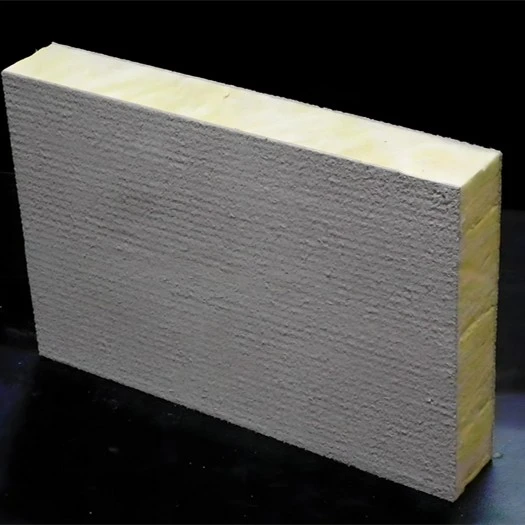
Before we discuss reusability, let's first understand what glass wool board for wall is. Glass wool is made from molten glass that is spun into fine fibers. These fibers are then bonded together to form boards. The Glass Wool Board is known for its excellent thermal insulation properties, which help in reducing heat transfer through walls, thus saving energy in buildings. It also has good acoustic insulation capabilities, which can reduce noise transmission from the outside.
There are different types of glass wool boards, such as Composite Glass Wool Board, which combines glass wool with other materials to enhance its performance, and Glass Wool Rigid Board, which provides more structural integrity.
Factors Affecting the Reusability of Glass Wool Board for Wall
Physical Condition
The physical condition of the glass wool board plays a crucial role in determining its reusability. If the board has been damaged during removal, such as being torn, crushed, or having large sections missing, it is likely not suitable for reuse. For example, if the board was removed forcefully from a wall and the fibers have been severely disrupted, its insulation properties will be compromised.
On the other hand, if the board has been carefully removed and is in relatively good shape, with no visible damage to the surface or the internal fiber structure, there is a higher chance of it being reusable. However, even in seemingly undamaged boards, there could be hidden damage that might affect its performance.
Contamination
Contamination is another significant factor. Glass wool boards can get contaminated with various substances during their use. For instance, if the building where the board was installed had a water leak, the board could be wet and might have developed mold or mildew. Mold growth not only affects the health of the occupants but also degrades the insulation properties of the board.
Similarly, if the board has been exposed to chemicals, such as paint overspray, cleaning agents, or industrial pollutants, it may not be suitable for reuse. These contaminants can change the chemical composition of the glass wool fibers and reduce their effectiveness.
Installation and Compatibility
The way the glass wool board was installed initially can also impact its reusability. If the board was installed using adhesives or fasteners that have caused damage to the board during removal, it may not be in a reusable condition. Additionally, when considering reuse, the board needs to be compatible with the new installation environment. For example, if the new wall has different dimensions or insulation requirements, the old board may not fit properly or meet the necessary performance standards.
Potential Reuse Scenarios
DIY and Small - scale Projects
In some cases, glass wool board can be reused for DIY (Do - It - Yourself) projects or small - scale renovations. For example, if you are building a small shed or a playhouse in your backyard, and you have some leftover glass wool boards from a previous construction project, you can use them for insulation. As long as the boards are in good condition and the insulation requirements of these small projects are not extremely high, this can be a cost - effective and environmentally friendly option.
Non - Critical Insulation Applications
There are also non - critical insulation applications where reused glass wool boards can be employed. For example, in some industrial settings where the insulation requirements are not as strict, such as in secondary storage areas or non - occupied spaces, the reused boards can still provide some level of thermal and acoustic insulation.

Benefits and Drawbacks of Reusing Glass Wool Board for Wall
Benefits
- Environmental Sustainability: Reusing glass wool boards reduces the amount of waste sent to landfills. The production of new glass wool boards requires a significant amount of energy and raw materials. By reusing, we can conserve these resources and reduce the carbon footprint associated with manufacturing new boards.
- Cost Savings: For builders and homeowners on a budget, reusing glass wool boards can result in significant cost savings. There is no need to purchase new boards, which can be quite expensive, especially for large - scale projects.
Drawbacks
- Performance Uncertainty: As mentioned earlier, the performance of reused glass wool boards may not be guaranteed. There could be hidden damage or contamination that affects their thermal and acoustic insulation properties. This can lead to inefficiencies in energy consumption in buildings and reduced noise reduction.
- Health Risks: If the reused boards are contaminated with mold, mildew, or other harmful substances, they can pose health risks to the occupants of the building. Inhalation of mold spores or other contaminants can cause respiratory problems and other health issues.
Our Role as a Supplier
As a supplier of Glass Wool Board For Wall, we understand the importance of providing reliable and high - quality products. While we support the concept of reusing materials for environmental and cost - saving reasons, we also emphasize the need for proper assessment before reusing glass wool boards.
We offer a wide range of new Glass Wool Board, Composite Glass Wool Board, and Glass Wool Rigid Board that meet the highest industry standards. Our products are manufactured with strict quality control measures to ensure optimal performance and durability.
If you are considering a new construction or renovation project and need insulation solutions, we encourage you to contact us for a consultation. Our team of experts can help you select the most suitable glass wool board for your specific requirements. Whether you are building a small residential home or a large commercial building, we have the products and expertise to meet your needs.
Conclusion
So, can glass wool board for wall be reused? The answer is yes, in some cases. However, it depends on various factors such as the physical condition of the board, contamination, and compatibility with the new installation. Reusing glass wool boards has its benefits in terms of environmental sustainability and cost savings, but it also comes with potential drawbacks such as performance uncertainty and health risks.
If you have any questions about glass wool board reusability or are interested in purchasing our high - quality glass wool boards for your next project, feel free to reach out for a detailed discussion. We look forward to working with you to provide the best insulation solutions.
References
- ASTM International standards on insulation materials
- Building Codes related to wall insulation in the construction industry
- Research papers on the reusability of insulation materials in the construction sector