

Can glass wool panel be used in airport buildings?
As a supplier of glass wool panels, I am often asked whether these products are suitable for use in airport buildings. Airports are complex and high - traffic environments that require materials to meet a wide range of stringent requirements. In this blog, I will explore the feasibility of using glass wool panels in airport buildings from multiple aspects.
1. Acoustic Insulation
One of the most important requirements in airport buildings is effective acoustic insulation. Airports are noisy places, with the constant roar of aircraft engines, announcements, and the movement of passengers. Glass wool panels are excellent acoustic insulators. The fibrous structure of glass wool traps sound waves, converting their energy into heat through friction within the fibers.
For example, our Glass Wool Acoustic Panel is specifically designed to reduce noise levels. It can be installed in the ceilings, walls, and partitions of airport terminals, lounges, and control towers. In terminal areas, where large numbers of passengers gather and announcements are made, these panels can help to improve the clarity of announcements and create a more comfortable environment for travelers. In control towers, where clear communication is crucial, acoustic insulation can prevent external noise from interfering with radio communications.
2. Thermal Insulation
Airport buildings need to maintain a stable internal temperature for the comfort of passengers and the proper functioning of equipment. Glass wool panels have outstanding thermal insulation properties. The air pockets within the glass wool fibers act as barriers to heat transfer.
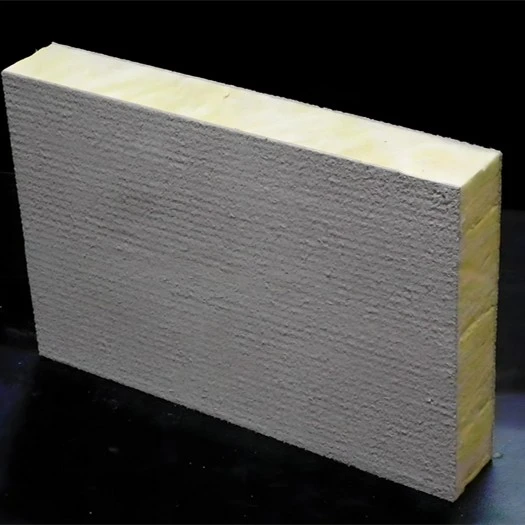
Our Composite Glass Wool Board is a great option for thermal insulation in airport buildings. It can be used in the building envelope, such as the exterior walls and roofs. By reducing heat transfer, these panels can help to lower energy consumption for heating and cooling systems. This is not only beneficial for the environment but also for the airport's operating costs. In regions with extreme climates, whether it is hot summers or cold winters, glass wool panels can play a significant role in maintaining a stable indoor temperature.
3. Fire Resistance
Fire safety is of utmost importance in airport buildings. Glass wool is a non - combustible material, which means it does not contribute to the spread of fire. It can withstand high temperatures without melting or burning, and it also acts as a barrier to prevent the spread of fire and smoke.
When installed in airport buildings, glass wool panels can help to compartmentalize areas in case of a fire. For example, in corridors and stairwells, they can prevent the rapid spread of fire and smoke, providing more time for evacuation. Our glass wool panels meet strict fire safety standards, ensuring that they are suitable for use in critical areas of airport buildings.
4. Lightweight and Easy to Install
Airport construction projects often require materials that are lightweight and easy to handle. Glass wool panels are relatively lightweight compared to many other building materials. This makes them easier to transport, lift, and install, which can save time and labor costs during the construction process.
Our Glass Wool Sheet is flexible and can be easily cut and shaped to fit different spaces in airport buildings. Whether it is for irregularly shaped areas or standard rectangular partitions, glass wool sheets can be customized on - site, providing a convenient solution for construction teams.
5. Durability and Environmental Friendliness
Glass wool panels are durable and can withstand the wear and tear of a high - traffic environment like an airport. They are resistant to moisture, mold, and pests, which ensures their long - term performance.
In addition, glass wool is an environmentally friendly material. It is made from recycled glass, which reduces the demand for raw materials and the environmental impact of production. At the end of its service life, glass wool can also be recycled, further minimizing its environmental footprint.
6. Challenges and Considerations
While glass wool panels have many advantages for use in airport buildings, there are also some challenges and considerations. One of the main concerns is the potential for fiber release. Although modern glass wool products are designed to minimize fiber release, proper installation and handling are crucial to prevent any health risks. Workers should wear appropriate personal protective equipment during installation, such as masks and gloves.
Another consideration is the need for proper maintenance. Over time, the performance of glass wool panels may be affected by factors such as moisture ingress or physical damage. Regular inspections and maintenance are required to ensure that the panels continue to provide effective insulation and other functions.

Conclusion
In conclusion, glass wool panels can be a viable option for use in airport buildings. Their excellent acoustic and thermal insulation properties, fire resistance, lightweight nature, durability, and environmental friendliness make them well - suited to meet the various requirements of airport construction. However, it is important to address the challenges and considerations mentioned above through proper installation, handling, and maintenance.
If you are involved in an airport construction or renovation project and are interested in using glass wool panels, I encourage you to contact us for more information. We can provide detailed product specifications, technical support, and guidance on the best application of our glass wool panels in your specific project. Let's work together to create a safer, more comfortable, and energy - efficient airport environment.
References
- "Building Materials Handbook" by John Wiley & Sons
- Industry standards and guidelines for airport construction and insulation materials